<?xml version="1.0" encoding="UTF-8"?>
<news xmlns="http://coastobs.eu" xmlns:xsi="http://www.w3.org/2001/XMLSchema-instance" xsi="http://coastobs.eu/news.xsi">
  <items>
    <news>
      <newsId>40</newsId>
      <date>
        <date>2021-01-22 15:08:20.000000</date>
        <timezone_type>3</timezone_type>
        <timezone>UTC</timezone>
      </date>
      <publishingDate/>
      <expirationDate/>
      <thumbnail>Remote_Sensing_Aquaculture_blog.png</thumbnail>
      <status>published</status>
      <uuid>d8c27d70-8919-44e6-9820-4f5a07b7bda5</uuid>
      <updated>
        <date>2021-01-22 15:08:20.000000</date>
        <timezone_type>3</timezone_type>
        <timezone>UTC</timezone>
      </updated>
      <alpha3>eng</alpha3>
      <subject>New CoastObs paper!</subject>
      <slug/>
      <lead>The focus of the paper is&amp;nbsp;the use of advanced Earth Observation (EO) products over a variety of scales and resolutions, and to document the latest developments in coupling EO with biological and ecological models applied to a variety of aquaculture contexts.&amp;nbsp;</lead>
      <content><![CDATA[<p>&nbsp;</p>

<p>To read the full article please click on the link below:</p>

<p><a href="https://doi.org/10.3389/fmars.2020.638156">https://doi.org/10.3389/fmars.2020.638156</a></p>
]]></content>
      <uri>/news/40/new-coastobs-paper</uri>
      <newsContent>
        <newsContent>
          <newsId>40</newsId>
          <alpha3>eng</alpha3>
          <subject>New CoastObs paper!</subject>
          <slug/>
          <lead>The focus of the paper is&amp;nbsp;the use of advanced Earth Observation (EO) products over a variety of scales and resolutions, and to document the latest developments in coupling EO with biological and ecological models applied to a variety of aquaculture contexts.&amp;nbsp;</lead>
          <content><![CDATA[<p>&nbsp;</p>

<p>To read the full article please click on the link below:</p>

<p><a href="https://doi.org/10.3389/fmars.2020.638156">https://doi.org/10.3389/fmars.2020.638156</a></p>
]]></content>
          <updated>
            <date>2021-01-22 15:08:20.000000</date>
            <timezone_type>3</timezone_type>
            <timezone>UTC</timezone>
          </updated>
        </newsContent>
        <newsContent>
          <newsId>40</newsId>
          <alpha3>hun</alpha3>
          <subject/>
          <slug/>
          <lead/>
          <content/>
          <updated>
            <date>2021-01-22 15:08:20.000000</date>
            <timezone_type>3</timezone_type>
            <timezone>UTC</timezone>
          </updated>
        </newsContent>
      </newsContent>
    </news>
    <news>
      <newsId>39</newsId>
      <date>
        <date>2021-01-07 17:15:23.000000</date>
        <timezone_type>3</timezone_type>
        <timezone>UTC</timezone>
      </date>
      <publishingDate/>
      <expirationDate/>
      <thumbnail>mssels.jpg</thumbnail>
      <status>published</status>
      <uuid>a1f8354e-9d5f-477d-a62b-d2b23b7b1dc3</uuid>
      <updated>
        <date>2021-01-07 17:15:23.000000</date>
        <timezone_type>3</timezone_type>
        <timezone>UTC</timezone>
      </updated>
      <alpha3>eng</alpha3>
      <subject>Use of satellite images for the shellfish sector: new, but promising!</subject>
      <slug/>
      <lead><![CDATA[<p>The use of satellite images will make it possible to better predict, monitor and respond to harmful algal blooms in the future, and CoastObs will be able to help with that.</p>

<p><em>By: Tony van der Hiele</em></p>
]]></lead>
      <content><![CDATA[<p class="text-right"><em>Photo: Mariana Mata-Lara.</em></p>

<p>&nbsp;</p>

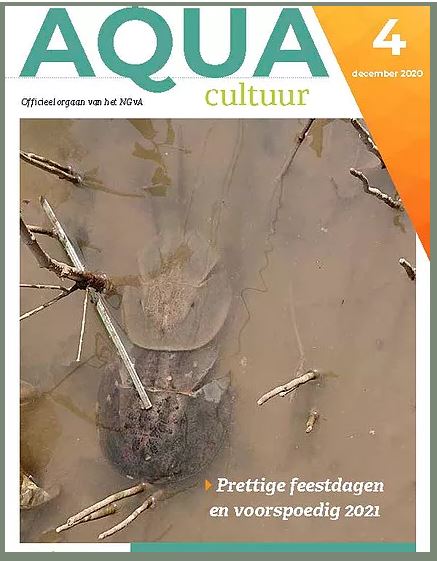
<p>In this last stretch of the CoastObs project period, we are trying to reach as many people as possible and one way of getting potential users interested in our products and services, is writing articles in targeted technical magazines. The Dutch CoastObs partners Water Insight and HZ University of Applied Science teamed up to write this article about the CoastObs work for shellfish farmers in the technical magazine AQUAcultuur: &nbsp;</p>

<p><a href="https://www.ngva.org/magazine-aquacultuur" target="_blank"><img alt="" src="https://coastobs.eu/assets/content/aquacultuur.JPG" style="height:200px; width:156px" /></a></p>

<p>AQUAcualtuur is an independent Dutch magazine for fish- and shellfish farmers and everyone interested in aquaculture, published by the Dutch Society of Aquaculture (NGVA).&nbsp;</p>

<p>&nbsp;</p>

<p><strong>The article describes in low-tech terms how Earth observation works, how relevant information can be derived from satellites and how this information eventually can be used by, interested shellfish farmers.</strong></p>

<p>Our CoastObs case study areas <a href="https://coastobs.eu/success-story/galician-coast" target="_blank">Galicia, Spain</a> and the <a href="https://storymaps.arcgis.com/stories/edafaf38a9004d99a89dc28f6f6a0c29" target="_blank">Dutch coast</a> are used as examples, along with the explanation of basic products, and the higher level products like mussel growth potential - and HABs (Harmful Algae Blooms) mapping.&nbsp;</p>

<p><br />
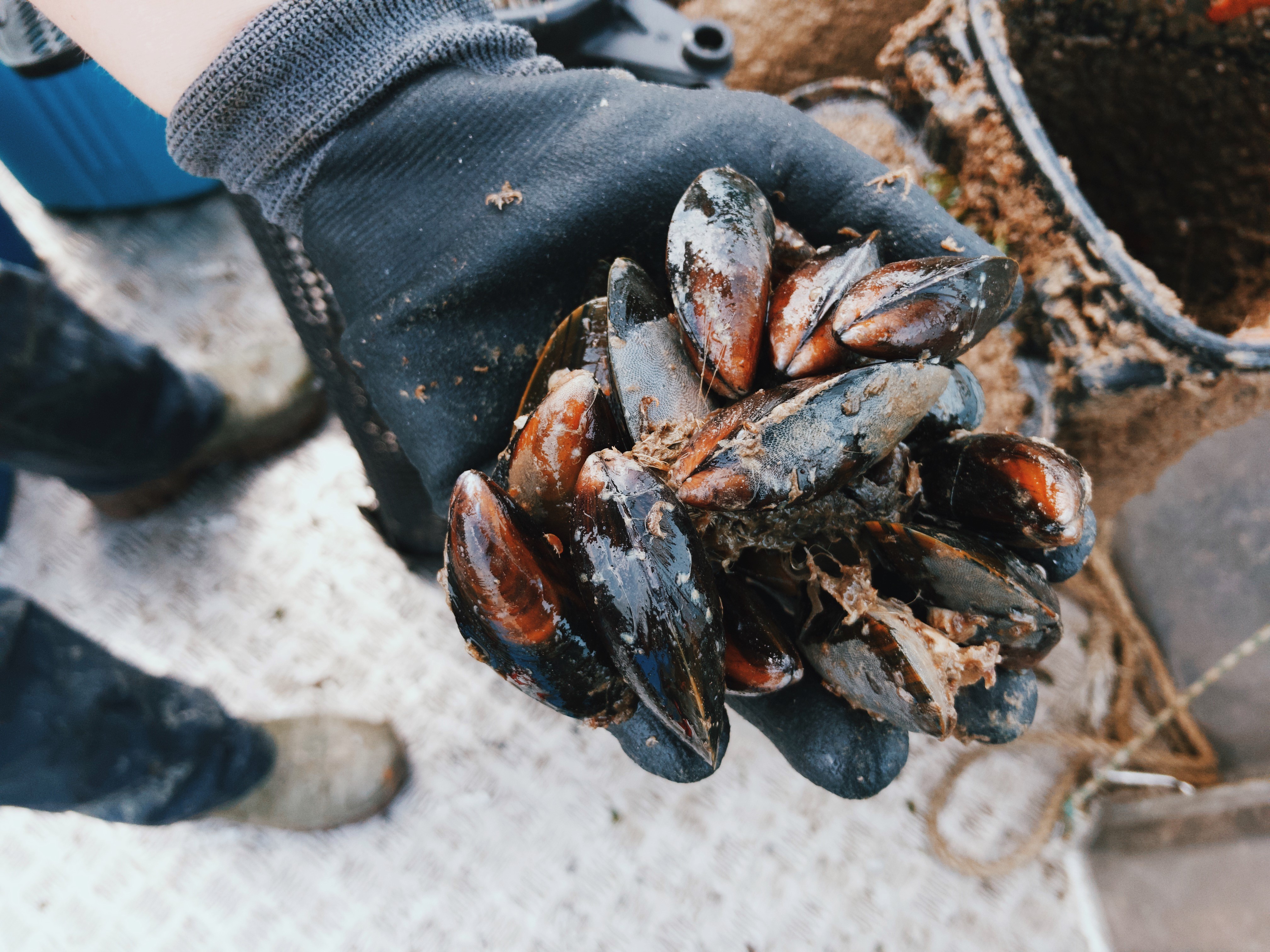
Shellfish live in a dynamic environment, where factors such as flow velocity, food quantity and food quality influence growth. Even though flow velocity cannot be measured (yet) with earth observation, the basic CoastObs products water temperature, food concentration (chlorophyll-a) and an indication for food quality are derived from satellite images. These data have been measured for years with varying frequencies at fixed monitoring locations. With the current developments in earth observation and almost daily overpassing of satellites, a relative new information source is available to map spatial patterns food with greater detail and frequency.<strong> This is helpful to gain insight in food availability between years and during the growing season for shellfish and to explain variation in shellfish growth. Another way of using satellite data is the integration with shellfish growth models to predict growth potential in shellfish farming areas.&nbsp;</strong></p>

<p>&nbsp;</p>

<p><img alt="" class="img-responsive" src="https://coastobs.eu/assets/content/mussels_hand.JPG" style="margin-bottom:0.6em; margin-right:1em" /></p>

<p class="text-right"><em>Photo: Mariana Mata-Lara</em></p>

<p>&nbsp;</p>

<p>But there is more. Some shellfish farming areas in Europe, like Galicia, have to cope with periodic harmful algae blooms, like <em>Pseudo-nitzschia</em>. In these areas, <strong>mapping harmful algae bloom can aid decision making</strong>.</p>

<p>&nbsp;</p>

<p><strong><img alt="" src="https://coastobs.eu/assets/content/harmful-algal-blooms.svg" style="float:left; height:150px; width:150px" /></strong>A species that can cause harm to shellfish along the Dutch coast is <em>Phaeocystis</em>. Not so much because of its toxicity, but because the decomposing of a large bloom can cause lack of oxygen in areas where shellfish are cultivated. Mortality of shellfish will occur to some extent, as has been the case a few times in the Oosterschelde estuary over the past years. <em>Phaeocystis </em>cannot yet be identified in the manner by which<em> Pseudo-nitzchia</em> can be identified from remote sensing, but<strong> high intensity blooms can be derived from EO chlorophyll-a maps</strong>.</p>

<p>&nbsp;</p>

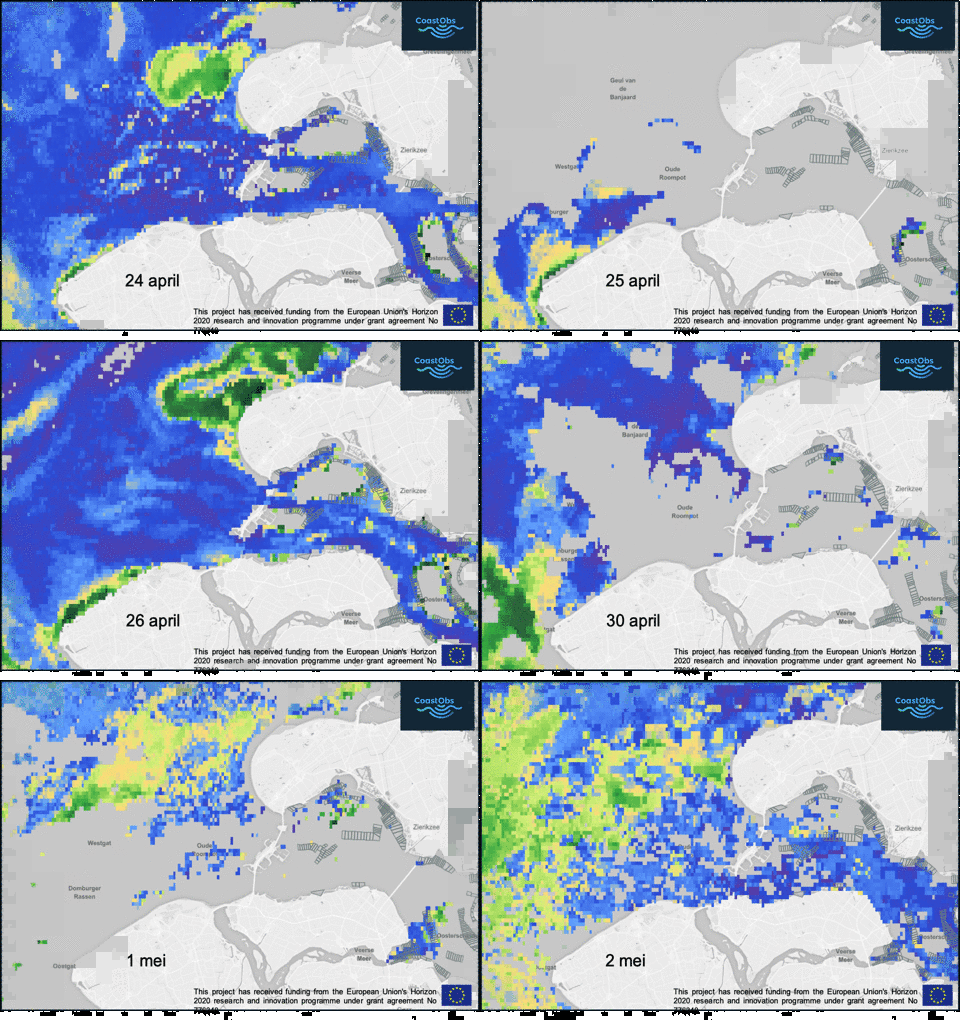
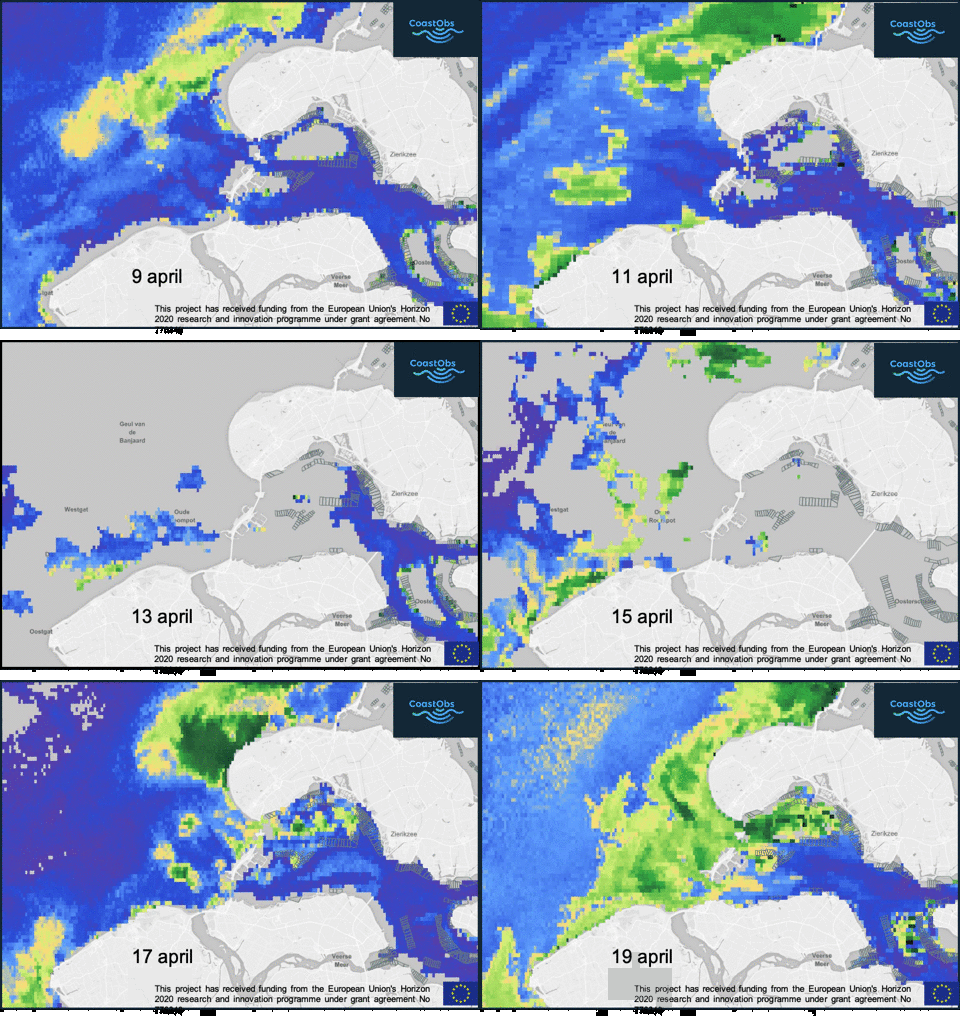
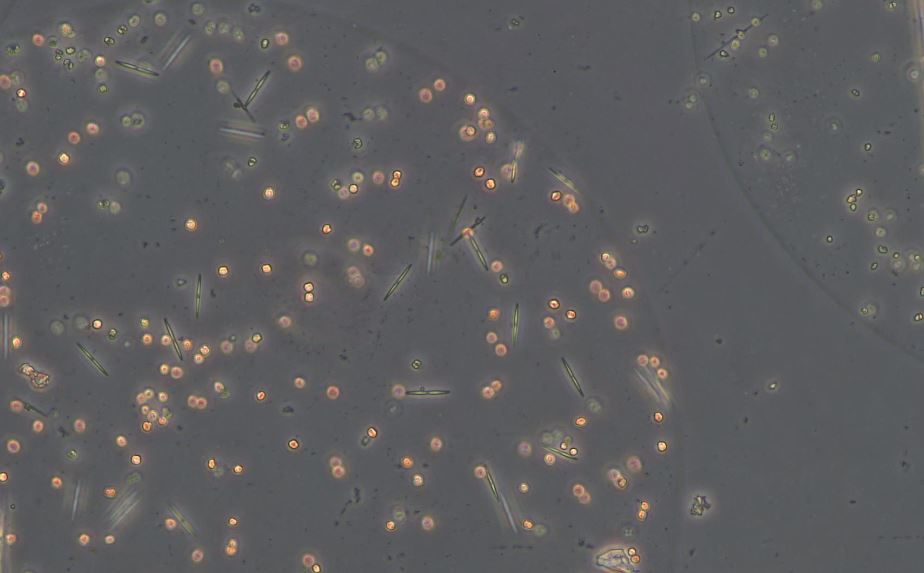
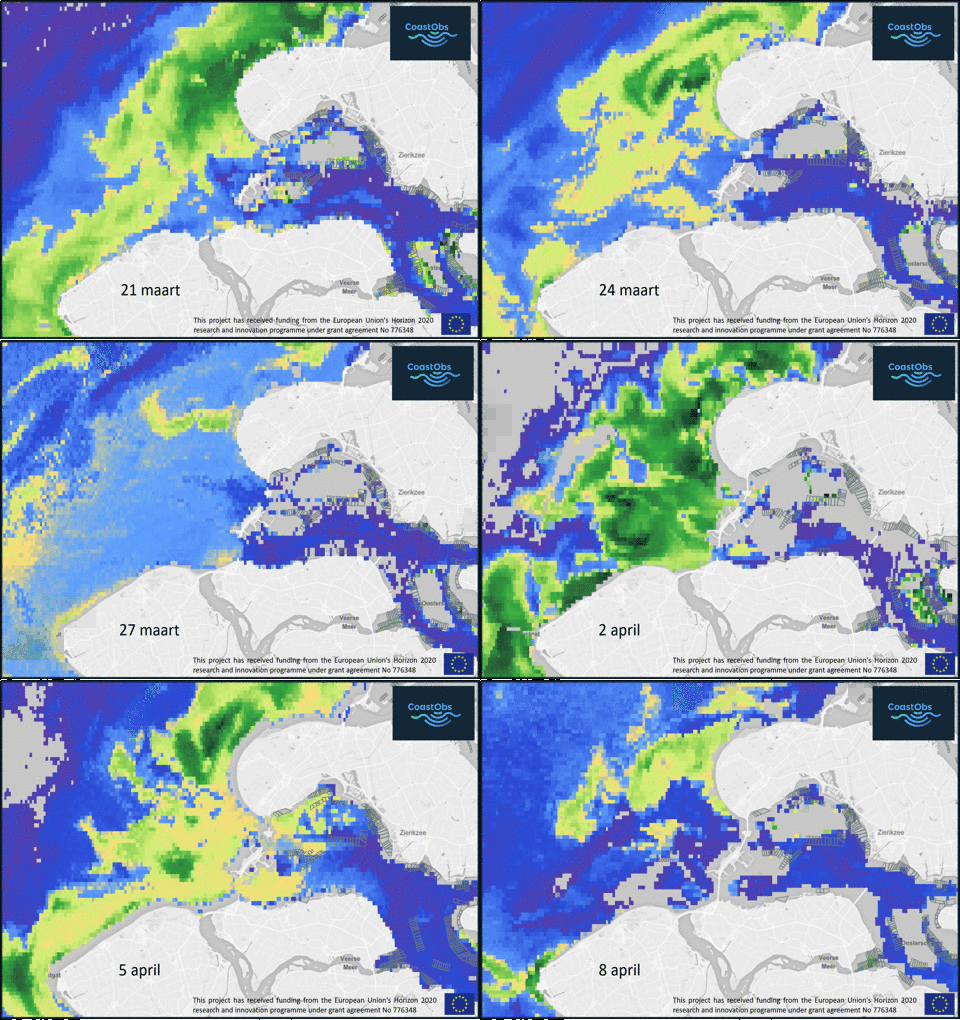
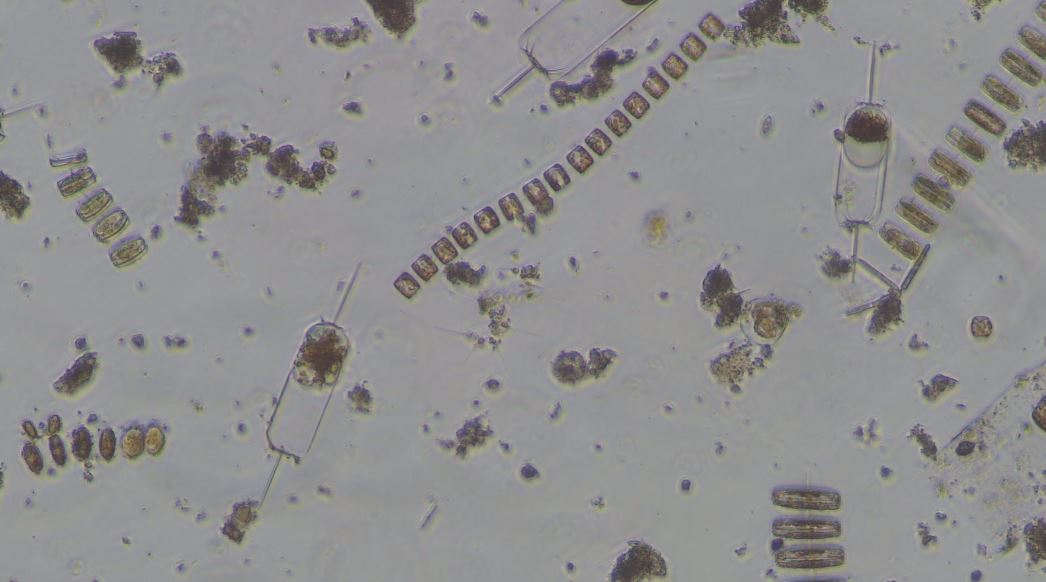
<p>Last spring, Water Insight together with HZ University of Applied Sciences, sent out <a href="https://coastobs.eu/news/30/weekly-phytoplankton-bloom-info" target="_blank">weekly news bulletins</a> via mailing and social media, and the development of the bloom could be followed through daily chlorophyll-a maps. HZ University checked with weekly water samples whether the dominant algae species was <em>Phaeocystis </em>or another algae species. At the end of March the bloom appeared to consist mainly of diatoms, but a lot of <em>Phaeocystis </em>was found by mid-April. Satellite images showed that this <em>Phaeocystis </em>bloom was moving up the Oosterschelde from the southern parts of the North Sea.&nbsp;</p>

<p>&nbsp;</p>

<h4>The use of satellite images will make it possible to better predict, monitor and respond to these kinds of blooms in the future. The article concludes that the products and services developed for shellfish farmers in CoastObs, supplemented with products resulting from integration with predictive models, can be used to aid strategic management decisions in order to optimize farming practices.&nbsp;<br />
&nbsp;</h4>
]]></content>
      <uri>/news/39/use-of-satellite-images-for-the-shellfish-sector-new-but-promising</uri>
      <newsContent>
        <newsContent>
          <newsId>39</newsId>
          <alpha3>eng</alpha3>
          <subject>Use of satellite images for the shellfish sector: new, but promising!</subject>
          <slug/>
          <lead><![CDATA[<p>The use of satellite images will make it possible to better predict, monitor and respond to harmful algal blooms in the future, and CoastObs will be able to help with that.</p>

<p><em>By: Tony van der Hiele</em></p>
]]></lead>
          <content><![CDATA[<p class="text-right"><em>Photo: Mariana Mata-Lara.</em></p>

<p>&nbsp;</p>

<p>In this last stretch of the CoastObs project period, we are trying to reach as many people as possible and one way of getting potential users interested in our products and services, is writing articles in targeted technical magazines. The Dutch CoastObs partners Water Insight and HZ University of Applied Science teamed up to write this article about the CoastObs work for shellfish farmers in the technical magazine AQUAcultuur: &nbsp;</p>

<p><a href="https://www.ngva.org/magazine-aquacultuur" target="_blank"><img alt="" src="https://coastobs.eu/assets/content/aquacultuur.JPG" style="height:200px; width:156px" /></a></p>

<p>AQUAcualtuur is an independent Dutch magazine for fish- and shellfish farmers and everyone interested in aquaculture, published by the Dutch Society of Aquaculture (NGVA).&nbsp;</p>

<p>&nbsp;</p>

<p><strong>The article describes in low-tech terms how Earth observation works, how relevant information can be derived from satellites and how this information eventually can be used by, interested shellfish farmers.</strong></p>

<p>Our CoastObs case study areas <a href="https://coastobs.eu/success-story/galician-coast" target="_blank">Galicia, Spain</a> and the <a href="https://storymaps.arcgis.com/stories/edafaf38a9004d99a89dc28f6f6a0c29" target="_blank">Dutch coast</a> are used as examples, along with the explanation of basic products, and the higher level products like mussel growth potential - and HABs (Harmful Algae Blooms) mapping.&nbsp;</p>

<p><br />
Shellfish live in a dynamic environment, where factors such as flow velocity, food quantity and food quality influence growth. Even though flow velocity cannot be measured (yet) with earth observation, the basic CoastObs products water temperature, food concentration (chlorophyll-a) and an indication for food quality are derived from satellite images. These data have been measured for years with varying frequencies at fixed monitoring locations. With the current developments in earth observation and almost daily overpassing of satellites, a relative new information source is available to map spatial patterns food with greater detail and frequency.<strong> This is helpful to gain insight in food availability between years and during the growing season for shellfish and to explain variation in shellfish growth. Another way of using satellite data is the integration with shellfish growth models to predict growth potential in shellfish farming areas.&nbsp;</strong></p>

<p>&nbsp;</p>

<p><img alt="" class="img-responsive" src="https://coastobs.eu/assets/content/mussels_hand.JPG" style="margin-bottom:0.6em; margin-right:1em" /></p>

<p class="text-right"><em>Photo: Mariana Mata-Lara</em></p>

<p>&nbsp;</p>

<p>But there is more. Some shellfish farming areas in Europe, like Galicia, have to cope with periodic harmful algae blooms, like <em>Pseudo-nitzschia</em>. In these areas, <strong>mapping harmful algae bloom can aid decision making</strong>.</p>

<p>&nbsp;</p>

<p><strong><img alt="" src="https://coastobs.eu/assets/content/harmful-algal-blooms.svg" style="float:left; height:150px; width:150px" /></strong>A species that can cause harm to shellfish along the Dutch coast is <em>Phaeocystis</em>. Not so much because of its toxicity, but because the decomposing of a large bloom can cause lack of oxygen in areas where shellfish are cultivated. Mortality of shellfish will occur to some extent, as has been the case a few times in the Oosterschelde estuary over the past years. <em>Phaeocystis </em>cannot yet be identified in the manner by which<em> Pseudo-nitzchia</em> can be identified from remote sensing, but<strong> high intensity blooms can be derived from EO chlorophyll-a maps</strong>.</p>

<p>&nbsp;</p>

<p>Last spring, Water Insight together with HZ University of Applied Sciences, sent out <a href="https://coastobs.eu/news/30/weekly-phytoplankton-bloom-info" target="_blank">weekly news bulletins</a> via mailing and social media, and the development of the bloom could be followed through daily chlorophyll-a maps. HZ University checked with weekly water samples whether the dominant algae species was <em>Phaeocystis </em>or another algae species. At the end of March the bloom appeared to consist mainly of diatoms, but a lot of <em>Phaeocystis </em>was found by mid-April. Satellite images showed that this <em>Phaeocystis </em>bloom was moving up the Oosterschelde from the southern parts of the North Sea.&nbsp;</p>

<p>&nbsp;</p>

<h4>The use of satellite images will make it possible to better predict, monitor and respond to these kinds of blooms in the future. The article concludes that the products and services developed for shellfish farmers in CoastObs, supplemented with products resulting from integration with predictive models, can be used to aid strategic management decisions in order to optimize farming practices.&nbsp;<br />
&nbsp;</h4>
]]></content>
          <updated>
            <date>2021-01-07 17:15:23.000000</date>
            <timezone_type>3</timezone_type>
            <timezone>UTC</timezone>
          </updated>
        </newsContent>
        <newsContent>
          <newsId>39</newsId>
          <alpha3>hun</alpha3>
          <subject/>
          <slug/>
          <lead/>
          <content/>
          <updated>
            <date>2021-01-07 17:15:23.000000</date>
            <timezone_type>3</timezone_type>
            <timezone>UTC</timezone>
          </updated>
        </newsContent>
      </newsContent>
    </news>
    <news>
      <newsId>38</newsId>
      <date>
        <date>2020-12-07 09:19:34.000000</date>
        <timezone_type>3</timezone_type>
        <timezone>UTC</timezone>
      </date>
      <publishingDate/>
      <expirationDate/>
      <thumbnail>6_SeagrassCover.png</thumbnail>
      <status>published</status>
      <uuid>9ee311a8-22e6-4ec0-8168-73f372198bfc</uuid>
      <updated>
        <date>2020-12-07 09:19:34.000000</date>
        <timezone_type>3</timezone_type>
        <timezone>UTC</timezone>
      </updated>
      <alpha3>eng</alpha3>
      <subject>COASTOBS PRODUCT SOLD!</subject>
      <slug/>
      <lead><![CDATA[<p>Despite the project hasn't come to an end, we have already sold a product to one of our end-users! Read to discover more and don't miss our interview video with her.&nbsp;</p>

<p><em>By: Laura Zoffoli</em></p>
]]></lead>
      <content><![CDATA[<h4>&nbsp;</h4>

<h4><span><span><span><strong>The user </strong></span></span></span></h4>

<p><span><span><span>(http://www.baie-bourgneuf.com/)</span></span></span></p>

<p><span><span><span>An environmental syndicate in charge of the Natura 2000 protected habitat in Bourgneuf Bay, France. A vast intertidal seagrass meadow is part of the Natura 2000 area. The meadow area is a very popular area for clam picking, a refugee for migratory birds, a biodiversity hotspot, and very productive ecosystems. It also protects the shore from coastal erosion and sea-level rise. The user works toward implementing the sustainable management of the seagrass meadow.</span></span></span></p>

<p>&nbsp;</p>

<h4><span><span><span><strong>The product</strong></span></span></span></h4>

<p><span><span><span>A yearly Sentinel2-derived map of seagrass percent cover during the annual maximum of the seagrass meadow seasonal cycle. The whole seagrass meadow (total area &gt; 10 km<sup>2</sup>) is mapped at a resolution of 10 m. Extensive field validation campaigns yield an accuracy of 15% for the satellite-derived measurement of seagrass cover. The user bought the product in 2020 at the end of the demonstration phase in 2018 and 2019.</span></span></span></p>

<p>&nbsp;</p>

<h4><span><span><span><strong>Use of CoastObs product</strong></span></span></span></h4>

<p><span><span><span>The users will use the CoastObs products to assess the temporal variability in seagrass biomass, in relationship with migratory birds and other environmental factors. The user will also assess the influence of shellfish picking on seagrass spatial distribution, in order to mitigate the human impacts on this valuable ecosystem. Satellite monitoring will help the user to make local tourists, regional managers, and policymakers, as well as recreational and professional shellfish pickers aware of the environmental services provided by the seagrass ecosystem. </span></span></span></p>

<p>&nbsp;</p>

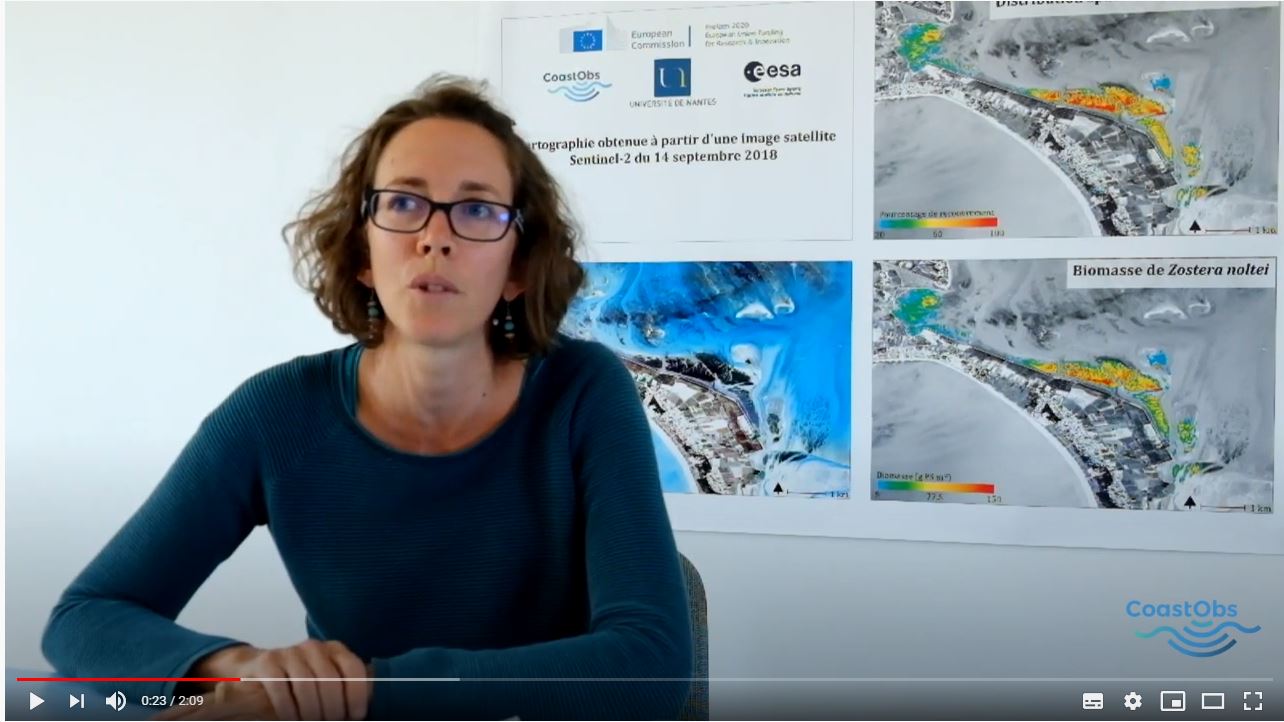
<h4>Click below to watch our short interview with&nbsp;Julie Ayçaguer, CoastObs' end-user.&nbsp;</h4>

<h4>&nbsp;</h4>

<p><span><span><span><a href="https://www.youtube.com/watch?v=iQHFokgHqbg" target="_blank"><img alt="" class="img-responsive" src="https://coastobs.eu/assets/content/screenshot_Julie.JPG" style="margin-bottom:0.6em; margin-right:1em" /></a></span></span></span></p>
]]></content>
      <uri>/news/38/coastobs-product-sold</uri>
      <newsContent>
        <newsContent>
          <newsId>38</newsId>
          <alpha3>eng</alpha3>
          <subject>COASTOBS PRODUCT SOLD!</subject>
          <slug/>
          <lead><![CDATA[<p>Despite the project hasn't come to an end, we have already sold a product to one of our end-users! Read to discover more and don't miss our interview video with her.&nbsp;</p>

<p><em>By: Laura Zoffoli</em></p>
]]></lead>
          <content><![CDATA[<h4>&nbsp;</h4>

<h4><span><span><span><strong>The user </strong></span></span></span></h4>

<p><span><span><span>(http://www.baie-bourgneuf.com/)</span></span></span></p>

<p><span><span><span>An environmental syndicate in charge of the Natura 2000 protected habitat in Bourgneuf Bay, France. A vast intertidal seagrass meadow is part of the Natura 2000 area. The meadow area is a very popular area for clam picking, a refugee for migratory birds, a biodiversity hotspot, and very productive ecosystems. It also protects the shore from coastal erosion and sea-level rise. The user works toward implementing the sustainable management of the seagrass meadow.</span></span></span></p>

<p>&nbsp;</p>

<h4><span><span><span><strong>The product</strong></span></span></span></h4>

<p><span><span><span>A yearly Sentinel2-derived map of seagrass percent cover during the annual maximum of the seagrass meadow seasonal cycle. The whole seagrass meadow (total area &gt; 10 km<sup>2</sup>) is mapped at a resolution of 10 m. Extensive field validation campaigns yield an accuracy of 15% for the satellite-derived measurement of seagrass cover. The user bought the product in 2020 at the end of the demonstration phase in 2018 and 2019.</span></span></span></p>

<p>&nbsp;</p>

<h4><span><span><span><strong>Use of CoastObs product</strong></span></span></span></h4>

<p><span><span><span>The users will use the CoastObs products to assess the temporal variability in seagrass biomass, in relationship with migratory birds and other environmental factors. The user will also assess the influence of shellfish picking on seagrass spatial distribution, in order to mitigate the human impacts on this valuable ecosystem. Satellite monitoring will help the user to make local tourists, regional managers, and policymakers, as well as recreational and professional shellfish pickers aware of the environmental services provided by the seagrass ecosystem. </span></span></span></p>

<p>&nbsp;</p>

<h4>Click below to watch our short interview with&nbsp;Julie Ayçaguer, CoastObs' end-user.&nbsp;</h4>

<h4>&nbsp;</h4>

<p><span><span><span><a href="https://www.youtube.com/watch?v=iQHFokgHqbg" target="_blank"><img alt="" class="img-responsive" src="https://coastobs.eu/assets/content/screenshot_Julie.JPG" style="margin-bottom:0.6em; margin-right:1em" /></a></span></span></span></p>
]]></content>
          <updated>
            <date>2020-12-07 09:19:34.000000</date>
            <timezone_type>3</timezone_type>
            <timezone>UTC</timezone>
          </updated>
        </newsContent>
        <newsContent>
          <newsId>38</newsId>
          <alpha3>hun</alpha3>
          <subject/>
          <slug/>
          <lead/>
          <content/>
          <updated>
            <date>2020-12-07 09:19:34.000000</date>
            <timezone_type>3</timezone_type>
            <timezone>UTC</timezone>
          </updated>
        </newsContent>
      </newsContent>
    </news>
    <news>
      <newsId>34</newsId>
      <date>
        <date>2020-11-30 10:05:51.000000</date>
        <timezone_type>3</timezone_type>
        <timezone>UTC</timezone>
      </date>
      <publishingDate/>
      <expirationDate/>
      <thumbnail>Success_Stories_Chronicles.png</thumbnail>
      <status>published</status>
      <uuid>d19bf84c-7d19-43a7-8a88-63a07de0c0f9</uuid>
      <updated>
        <date>2020-11-30 10:05:51.000000</date>
        <timezone_type>3</timezone_type>
        <timezone>UTC</timezone>
      </updated>
      <alpha3>eng</alpha3>
      <subject>Success Story Chronicles are out!</subject>
      <slug/>
      <lead>We released a series of success stories based on our work carried out in the different case studies to develop the services our users requested!</lead>
      <content><![CDATA[<p>&nbsp;</p>

<p>You can now go and check them out on our top menu page!</p>

<p><img alt="" src="https://coastobs.eu/assets/content/top_menu.JPG" style="height:54px; width:750px" /></p>

<p>&nbsp;</p>

<p>Or click directly on the images below to check them out in a new tab.</p>

<p>&nbsp;</p>

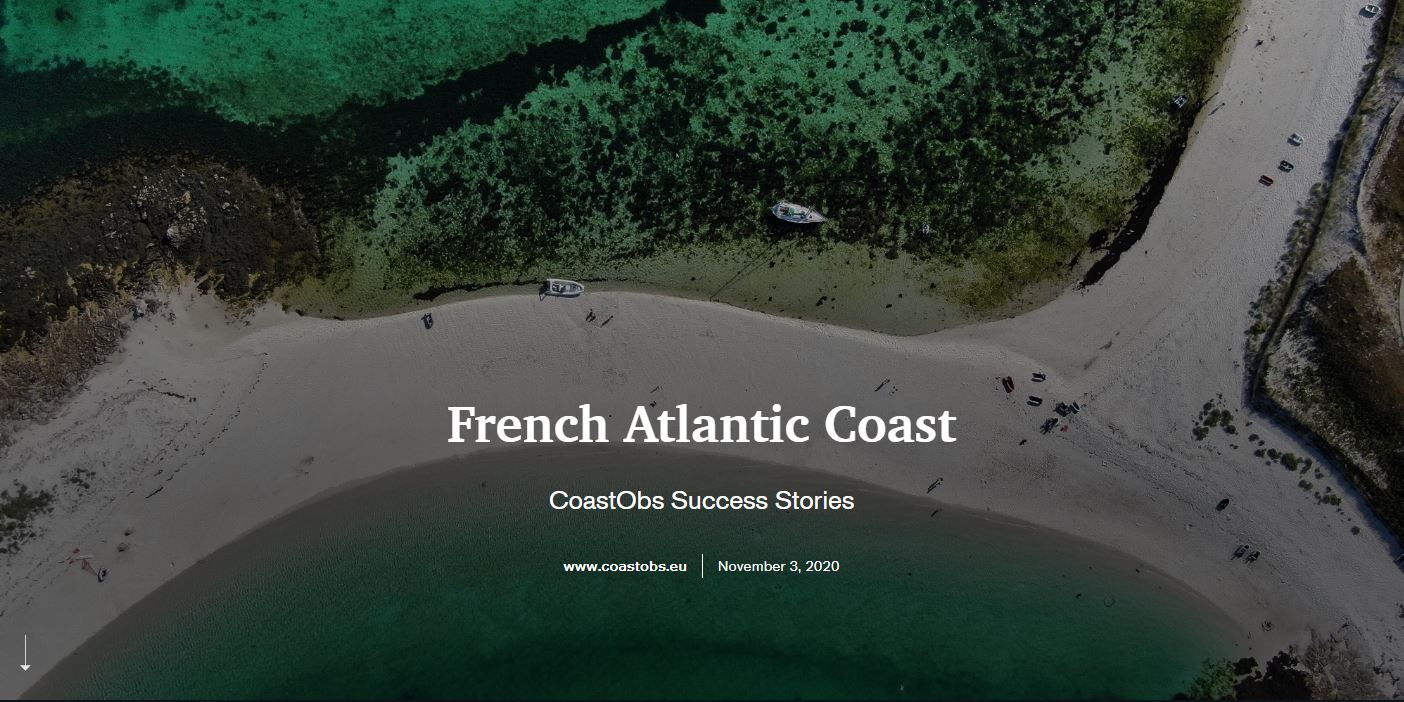
<p><a href="https://coastobs.eu/success-story/french-atlantic-coast" target="_blank"><img alt="" src="https://coastobs.eu/assets/content/2_French_SS.JPG" style="height:225px; width:450px" /></a></p>

<p><strong>French Atlantic Coast Success Story Chronicle</strong></p>

<p>&nbsp;</p>

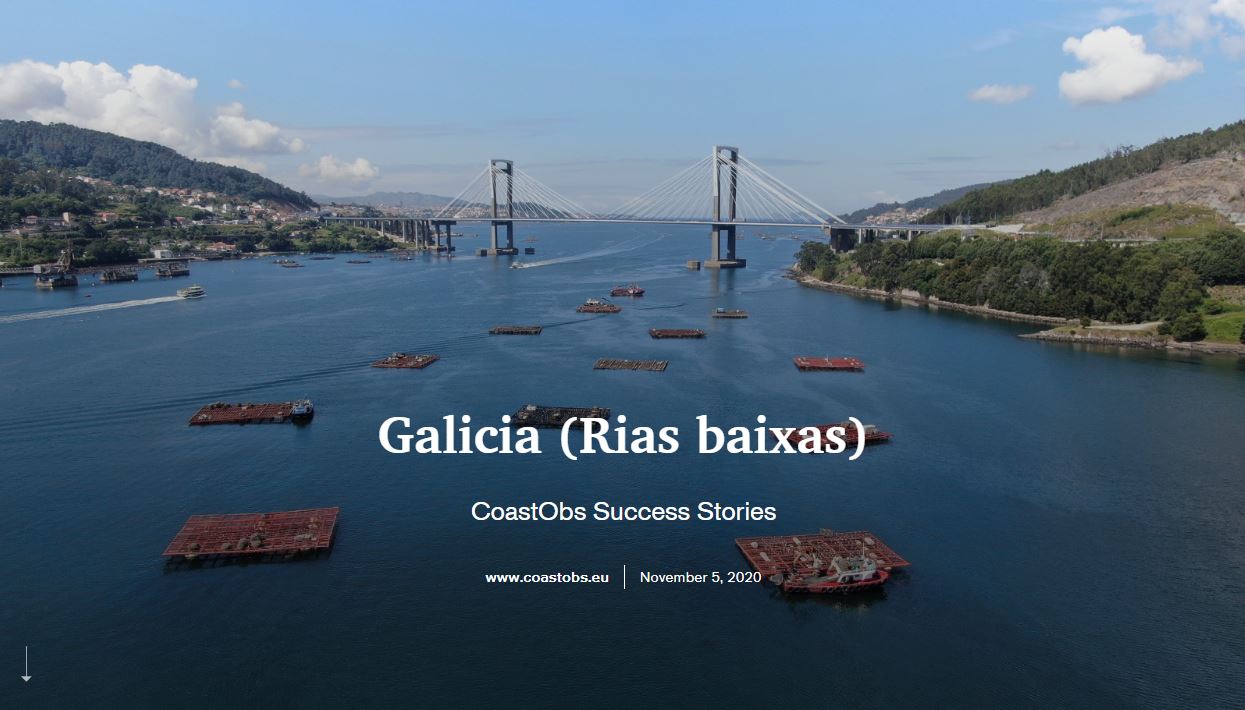
<p><strong><a href="https://coastobs.eu/success-story/galician-coast" target="_blank"><img alt="" src="https://coastobs.eu/assets/content/3_Galician_SS.JPG" style="height:257px; width:451px" /></a></strong></p>

<p><strong>Galician Coast Success Story Chronicle</strong></p>

<p>&nbsp;</p>

<p><strong><a href="https://coastobs.eu/success-story/adriatic-coast" target="_blank"><img alt="" src="https://coastobs.eu/assets/content/4_NorthAdriatic_SS.JPG" style="height:257px; width:450px" /></a></strong></p>

<p><strong>Northern Adriatic Sea Coast Success Story Chronicle</strong></p>

<p>&nbsp;</p>

<p><strong><a href="https://storymaps.arcgis.com/stories/edafaf38a9004d99a89dc28f6f6a0c29" target="_blank"><img alt="" src="https://coastobs.eu/assets/content/5_DutchCOast_SS.JPG" style="height:303px; width:450px" /></a></strong></p>

<p><strong>Dutch Coast Success Story Chronicle</strong></p>
]]></content>
      <uri>/news/34/success-story-chronicles-are-out</uri>
      <newsContent>
        <newsContent>
          <newsId>34</newsId>
          <alpha3>eng</alpha3>
          <subject>Success Story Chronicles are out!</subject>
          <slug/>
          <lead>We released a series of success stories based on our work carried out in the different case studies to develop the services our users requested!</lead>
          <content><![CDATA[<p>&nbsp;</p>

<p>You can now go and check them out on our top menu page!</p>

<p><img alt="" src="https://coastobs.eu/assets/content/top_menu.JPG" style="height:54px; width:750px" /></p>

<p>&nbsp;</p>

<p>Or click directly on the images below to check them out in a new tab.</p>

<p>&nbsp;</p>

<p><a href="https://coastobs.eu/success-story/french-atlantic-coast" target="_blank"><img alt="" src="https://coastobs.eu/assets/content/2_French_SS.JPG" style="height:225px; width:450px" /></a></p>

<p><strong>French Atlantic Coast Success Story Chronicle</strong></p>

<p>&nbsp;</p>

<p><strong><a href="https://coastobs.eu/success-story/galician-coast" target="_blank"><img alt="" src="https://coastobs.eu/assets/content/3_Galician_SS.JPG" style="height:257px; width:451px" /></a></strong></p>

<p><strong>Galician Coast Success Story Chronicle</strong></p>

<p>&nbsp;</p>

<p><strong><a href="https://coastobs.eu/success-story/adriatic-coast" target="_blank"><img alt="" src="https://coastobs.eu/assets/content/4_NorthAdriatic_SS.JPG" style="height:257px; width:450px" /></a></strong></p>

<p><strong>Northern Adriatic Sea Coast Success Story Chronicle</strong></p>

<p>&nbsp;</p>

<p><strong><a href="https://storymaps.arcgis.com/stories/edafaf38a9004d99a89dc28f6f6a0c29" target="_blank"><img alt="" src="https://coastobs.eu/assets/content/5_DutchCOast_SS.JPG" style="height:303px; width:450px" /></a></strong></p>

<p><strong>Dutch Coast Success Story Chronicle</strong></p>
]]></content>
          <updated>
            <date>2020-11-30 10:05:51.000000</date>
            <timezone_type>3</timezone_type>
            <timezone>UTC</timezone>
          </updated>
        </newsContent>
        <newsContent>
          <newsId>34</newsId>
          <alpha3>hun</alpha3>
          <subject/>
          <slug/>
          <lead/>
          <content/>
          <updated>
            <date>2020-11-30 10:05:51.000000</date>
            <timezone_type>3</timezone_type>
            <timezone>UTC</timezone>
          </updated>
        </newsContent>
      </newsContent>
    </news>
    <news>
      <newsId>36</newsId>
      <date>
        <date>2020-10-29 11:55:51.000000</date>
        <timezone_type>3</timezone_type>
        <timezone>UTC</timezone>
      </date>
      <publishingDate>
        <date>2020-10-29 00:00:00.000000</date>
        <timezone_type>3</timezone_type>
        <timezone>UTC</timezone>
      </publishingDate>
      <expirationDate/>
      <thumbnail>7_Deliverables.jpg</thumbnail>
      <status>published</status>
      <uuid>bef1f0b6-e6b5-48d8-aa86-97704b04f01c</uuid>
      <updated>
        <date>2020-11-30 11:55:51.000000</date>
        <timezone_type>3</timezone_type>
        <timezone>UTC</timezone>
      </updated>
      <alpha3>eng</alpha3>
      <subject>All deliverables are available online!</subject>
      <slug/>
      <lead><![CDATA[<p>Do you want to check our project's results and reports? You can do that now on our website!</p>

<p>&nbsp;</p>
]]></lead>
      <content><![CDATA[<p>&nbsp;</p>

<p>We have published 12 deliverables and one white paper so far. You can check them all out and download them at our <a href="https://coastobs.eu/project#results" target="_blank">RESULTS </a>page.&nbsp;</p>
]]></content>
      <uri>/news/36/all-deliverables-are-available-online</uri>
      <newsContent>
        <newsContent>
          <newsId>36</newsId>
          <alpha3>eng</alpha3>
          <subject>All deliverables are available online!</subject>
          <slug/>
          <lead><![CDATA[<p>Do you want to check our project's results and reports? You can do that now on our website!</p>

<p>&nbsp;</p>
]]></lead>
          <content><![CDATA[<p>&nbsp;</p>

<p>We have published 12 deliverables and one white paper so far. You can check them all out and download them at our <a href="https://coastobs.eu/project#results" target="_blank">RESULTS </a>page.&nbsp;</p>
]]></content>
          <updated>
            <date>2020-11-30 11:55:51.000000</date>
            <timezone_type>3</timezone_type>
            <timezone>UTC</timezone>
          </updated>
        </newsContent>
        <newsContent>
          <newsId>36</newsId>
          <alpha3>hun</alpha3>
          <subject/>
          <slug/>
          <lead/>
          <content/>
          <updated>
            <date>2020-11-30 11:55:51.000000</date>
            <timezone_type>3</timezone_type>
            <timezone>UTC</timezone>
          </updated>
        </newsContent>
      </newsContent>
    </news>
    <news>
      <newsId>37</newsId>
      <date>
        <date>2020-10-16 16:11:02.000000</date>
        <timezone_type>3</timezone_type>
        <timezone>UTC</timezone>
      </date>
      <publishingDate>
        <date>2020-10-16 00:00:00.000000</date>
        <timezone_type>3</timezone_type>
        <timezone>UTC</timezone>
      </publishingDate>
      <expirationDate/>
      <thumbnail>CoastObs_SeaTechWeek.png</thumbnail>
      <status>published</status>
      <uuid>f6b24b00-c542-44a3-8966-c54881b6c754</uuid>
      <updated>
        <date>2020-12-02 16:11:02.000000</date>
        <timezone_type>3</timezone_type>
        <timezone>UTC</timezone>
      </updated>
      <alpha3>eng</alpha3>
      <subject>CoastObs at SeaTech week</subject>
      <slug/>
      <lead><![CDATA[<p>CoastObs presented at the SeaTech week the work "<em>Sentinel-2 remote sensing of Zostera noltei-domindated intertidal grass meadows</em>" which took place between October 12-16th, 2020 online.&nbsp;</p>

<p>&nbsp;</p>
]]></lead>
      <content><![CDATA[<p>&nbsp;</p>

<p>In a session hosted and organized by Julie Charmasson and Estérelle Vignemale from the Office Français de la Biodiversité (OFB), CoastObs, through our colleague Pierre Gernez from the University of Nantes, presented our work under the session "New technologies for marine environment monitoring and management policies".&nbsp;</p>

<p><img alt="" class="img-responsive" src="https://coastobs.eu/assets/content/seatech_p1.png" style="margin-bottom:0.6em; margin-right:1em" /></p>

<p><img alt="" class="img-responsive" src="https://coastobs.eu/assets/content/seatech_p2.png" style="margin-bottom:0.6em; margin-right:1em" /></p>

<p>The presentation is fruit of the recently published paper in the Remote Sensing of Environment journal, which proposes a method to map seagrass cover in exposed intertidal meadows.&nbsp;Since accurate habitat mapping methods are urgently required for the monitoring, conservation, and management of blue carbon ecosystems and their associated services, the recently published paper is of great relevance as the work carried out&nbsp;demonstrates that satellite remote sensing can be used to map seagrass percent cover and leaf biomass, and to further characterize its seasonal dynamics.&nbsp;</p>

<p>&nbsp;</p>

<p>To access the full paper please visit:</p>

<p><a href="https://www.sciencedirect.com/science/article/pii/S0034425720303904" target="_blank">https://www.sciencedirect.com/science/article/pii/S0034425720303904</a></p>

<p>&nbsp;</p>

<p>If you want to check the presentation delivered at the SeaTech week, click on the image below:</p>

<p><a href="https://coastobs.eu/assets/content/Gernez_et_al_SeaTechWeek_seagrass_RS.pdf" target="_blank"><img alt="" src="https://coastobs.eu/assets/content/seatech_ppt_screenshot.JPG" style="height:212px; width:300px" /></a></p>
]]></content>
      <uri>/news/37/coastobs-at-seatech-week</uri>
      <newsContent>
        <newsContent>
          <newsId>37</newsId>
          <alpha3>eng</alpha3>
          <subject>CoastObs at SeaTech week</subject>
          <slug/>
          <lead><![CDATA[<p>CoastObs presented at the SeaTech week the work "<em>Sentinel-2 remote sensing of Zostera noltei-domindated intertidal grass meadows</em>" which took place between October 12-16th, 2020 online.&nbsp;</p>

<p>&nbsp;</p>
]]></lead>
          <content><![CDATA[<p>&nbsp;</p>

<p>In a session hosted and organized by Julie Charmasson and Estérelle Vignemale from the Office Français de la Biodiversité (OFB), CoastObs, through our colleague Pierre Gernez from the University of Nantes, presented our work under the session "New technologies for marine environment monitoring and management policies".&nbsp;</p>

<p><img alt="" class="img-responsive" src="https://coastobs.eu/assets/content/seatech_p1.png" style="margin-bottom:0.6em; margin-right:1em" /></p>

<p><img alt="" class="img-responsive" src="https://coastobs.eu/assets/content/seatech_p2.png" style="margin-bottom:0.6em; margin-right:1em" /></p>

<p>The presentation is fruit of the recently published paper in the Remote Sensing of Environment journal, which proposes a method to map seagrass cover in exposed intertidal meadows.&nbsp;Since accurate habitat mapping methods are urgently required for the monitoring, conservation, and management of blue carbon ecosystems and their associated services, the recently published paper is of great relevance as the work carried out&nbsp;demonstrates that satellite remote sensing can be used to map seagrass percent cover and leaf biomass, and to further characterize its seasonal dynamics.&nbsp;</p>

<p>&nbsp;</p>

<p>To access the full paper please visit:</p>

<p><a href="https://www.sciencedirect.com/science/article/pii/S0034425720303904" target="_blank">https://www.sciencedirect.com/science/article/pii/S0034425720303904</a></p>

<p>&nbsp;</p>

<p>If you want to check the presentation delivered at the SeaTech week, click on the image below:</p>

<p><a href="https://coastobs.eu/assets/content/Gernez_et_al_SeaTechWeek_seagrass_RS.pdf" target="_blank"><img alt="" src="https://coastobs.eu/assets/content/seatech_ppt_screenshot.JPG" style="height:212px; width:300px" /></a></p>
]]></content>
          <updated>
            <date>2020-12-02 16:11:02.000000</date>
            <timezone_type>3</timezone_type>
            <timezone>UTC</timezone>
          </updated>
        </newsContent>
        <newsContent>
          <newsId>37</newsId>
          <alpha3>hun</alpha3>
          <subject/>
          <slug/>
          <lead/>
          <content/>
          <updated>
            <date>2020-12-02 16:11:02.000000</date>
            <timezone_type>3</timezone_type>
            <timezone>UTC</timezone>
          </updated>
        </newsContent>
      </newsContent>
    </news>
    <news>
      <newsId>35</newsId>
      <date>
        <date>2020-09-30 11:52:20.000000</date>
        <timezone_type>3</timezone_type>
        <timezone>UTC</timezone>
      </date>
      <publishingDate>
        <date>2020-09-30 00:00:00.000000</date>
        <timezone_type>3</timezone_type>
        <timezone>UTC</timezone>
      </publishingDate>
      <expirationDate/>
      <thumbnail>6_Seagrass_paper.jpg</thumbnail>
      <status>published</status>
      <uuid>3c19cc5a-552d-49b9-ae16-e0f6ffe60cf3</uuid>
      <updated>
        <date>2020-11-30 11:52:20.000000</date>
        <timezone_type>3</timezone_type>
        <timezone>UTC</timezone>
      </updated>
      <alpha3>eng</alpha3>
      <subject>New CoastObs paper in the Remote Sensing Environment Journal!</subject>
      <slug/>
      <lead><![CDATA[Our team has just published the paper "<a href="https://www.sciencedirect.com/science/article/pii/S0034425720303904#f0005" target="_blank"><em>Sentinel-2 remote sensing of Zostera noltei-dominated intertidal seagrass meadows</em></a>" where a&nbsp;method is proposed to map seagrass cover in exposed intertidal meadows.]]></lead>
      <content><![CDATA[<p>Don't miss it and check it out for free at:</p>

<p><a href="https://www.sciencedirect.com/science/article/pii/S0034425720303904#f0005" target="_blank">https://www.sciencedirect.com/science/article/pii/S0034425720303904#f0005</a></p>
]]></content>
      <uri>/news/35/new-coastobs-paper-in-the-remote-sensing-environment-journal</uri>
      <newsContent>
        <newsContent>
          <newsId>35</newsId>
          <alpha3>eng</alpha3>
          <subject>New CoastObs paper in the Remote Sensing Environment Journal!</subject>
          <slug/>
          <lead><![CDATA[Our team has just published the paper "<a href="https://www.sciencedirect.com/science/article/pii/S0034425720303904#f0005" target="_blank"><em>Sentinel-2 remote sensing of Zostera noltei-dominated intertidal seagrass meadows</em></a>" where a&nbsp;method is proposed to map seagrass cover in exposed intertidal meadows.]]></lead>
          <content><![CDATA[<p>Don't miss it and check it out for free at:</p>

<p><a href="https://www.sciencedirect.com/science/article/pii/S0034425720303904#f0005" target="_blank">https://www.sciencedirect.com/science/article/pii/S0034425720303904#f0005</a></p>
]]></content>
          <updated>
            <date>2020-11-30 11:52:20.000000</date>
            <timezone_type>3</timezone_type>
            <timezone>UTC</timezone>
          </updated>
        </newsContent>
        <newsContent>
          <newsId>35</newsId>
          <alpha3>hun</alpha3>
          <subject/>
          <slug/>
          <lead/>
          <content/>
          <updated>
            <date>2020-11-30 11:52:20.000000</date>
            <timezone_type>3</timezone_type>
            <timezone>UTC</timezone>
          </updated>
        </newsContent>
      </newsContent>
    </news>
    <news>
      <newsId>33</newsId>
      <date>
        <date>2020-05-29 21:16:44.000000</date>
        <timezone_type>3</timezone_type>
        <timezone>UTC</timezone>
      </date>
      <publishingDate/>
      <expirationDate/>
      <thumbnail>world_ocean_day_coastobs-28.jpg</thumbnail>
      <status>published</status>
      <uuid>40fcfd69-68bd-448b-b879-96df7f8b8068</uuid>
      <updated>
        <date>2020-05-29 21:16:44.000000</date>
        <timezone_type>3</timezone_type>
        <timezone>UTC</timezone>
      </updated>
      <alpha3>eng</alpha3>
      <subject>Satellites and big data to monitor Marine Protected Areas and the Ocean</subject>
      <slug/>
      <lead><![CDATA[<p>Article by:&nbsp;Evdokia Bairampa<br />
&nbsp;</p>

<p><span><span><span>This year, the <a href="https://worldoceansday.org/">Global Ocean Action</a>’s goal is to&nbsp;take action and protect 30% of our blue planet by 2030. How can remote sensing help monitor Marine Protected Areas?</span></span></span></p>
]]></lead>
      <content><![CDATA[<p class="text-justify">&nbsp;</p>

<p class="text-justify"><span><span><span>Our Ocean provides countless benefits to our planet and to all the creatures that live there. It produces about 50% of the world’s oxygen<a href="#_edn1" name="_ednref1" title=""><span class="MsoEndnoteReference"><span class="MsoEndnoteReference"><span lang="HU"><span><span>[i]</span></span></span></span></span></a> and it absorbs 1/3 of global CO2 emissions<a href="#_edn2" name="_ednref2" title=""><span class="MsoEndnoteReference"><span class="MsoEndnoteReference"><span lang="HU"><span><span>[ii]</span></span></span></span></span></a>. It is also the core regulator of our climate and weather phenomena, as well as the world’s largest source of protein<a href="#_edn3" name="_ednref3" title=""><span class="MsoEndnoteReference"><span class="MsoEndnoteReference"><span lang="HU"><span><span>[iii]</span></span></span></span></span></a>. Let’s not forget that many medicinal products come from the Ocean that help fighting different types of cancer, heart diseases, Alzaimer, among others.<a href="#_ftn1" name="_ftnref1" title=""><span class="MsoFootnoteReference"><span class="MsoFootnoteReference"><span lang="HU"><span><span>[1]</span></span></span></span></span></a>, and the interest for Earth’s seas just keeps increasing as medical researchers believe that they might harbor novel disease-fighting chemistry<a href="#_edn4" name="_ednref4" title=""><span class="MsoEndnoteReference"><span class="MsoEndnoteReference"><span lang="HU"><span><span>[iv]</span></span></span></span></span></a>.</span></span></span></p>

<p class="text-justify"><span><span><span>Knowing all these benefits and valuable contributions to our life and health, it is key to understand the importance of protecting our ocean and its ecosystems. This year, the <a href="https://worldoceansday.org/">Global Ocean Action</a>’s goal is to raise awareness and invite all leaders and decision makers to join this worldwide movement by drawing their attention on our ocean and ask them to take action and protect 30% of our blue planet by 2030. So, <strong>30x30 is the TARGET!</strong> By safeguarding at least 30% of our ocean through a network of highly protected areas we can help ensure a healthy home for all! </span></span></span></p>

<p>&nbsp;</p>

<h4><em><span><span><span><span lang="HU"><span>The European Union’s response to this global challenge</span></span></span></span></span></em></h4>

<p class="text-justify"><span><span><span>Recognising the need for a fast and collective response on pan-european level, the European Commission adopted the new EU Biodiversity Strategy with the horizon towads 2030. This strategy will work as a compass in the post COVID-19 time to build stronger and more resilient communities enabling them to fight global threats such as disease outbreaks and&nbsp; natural disasters and understanding the importance of nature and its wildlife. </span></span></span></p>

<div>
<p><span><span><span>Overall, the EU Biodiversity Startegy 2030:</span></span></span></p>

<ul>
	<li><span><span><span>protects sensitive marine species and fish stock recovery areas (more Natura 2000 protected areas) </span></span></span></li>
	<li><span><span><span>eliminates destructive fishinh activities </span></span></span></li>
	<li><span><span><span>builds a consistent <span><span><span>EU Nature Restoration Plan</span></span></span></span></span></span></li>
	<li><span><span><span><span><span><span>leads to a global biodiversity framework including biding ocean restoration targets</span></span></span></span></span></span></li>
	<li><span><span><span><span><span><span>is the core part of EU Green Deal</span></span></span></span></span></span></li>
</ul>

<p>&nbsp;</p>

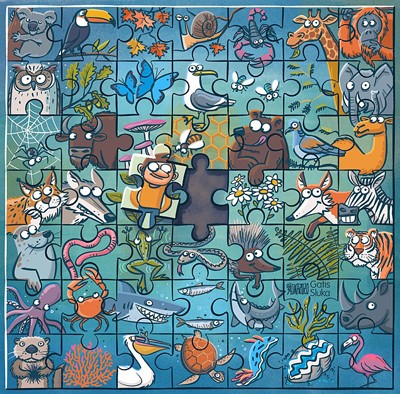
<p><img alt="" class="img-responsive" src="https://coastobs.eu/assets/content/puzzle_EU_biod_strategy.jpg" /></p>

<p class="text-justify"><span><span><span><strong><span><span><span>Earlier this year, the Programme Director at </span></span></span></strong><a href="https://our.fish/"><span>Our Fish</span></a><strong><span><span><span>, </span></span></span></strong><cite><span>Rebecca Hubbard</span></cite><strong><span><span><span> shared her view on </span></span></span></strong><a href="https://www.euronews.com/2020/01/28/the-eu-s-green-deal-plans-to-restore-nature-include-our-largest-ecosystem-the-ocean-view"><span>Euronews</span></a><strong><span><span><span> pointing out the correlation of ocean’s problems (like overfishing) with the European Commission’s Strategy.</span></span></span></strong></span></span></span></p>

<p class="text-justify"><span><span><span><span><span><span>“We must put an end to this cognitive dissonance: we cannot claim to be saving nature or to be taking impactful climate action while celebrating continued ocean destruction.”</span></span></span></span></span></span></p>

<p class="text-justify"><span><span><span><span>One of the EU next year plans, is to urge the Member States to adopt ecosystem- based Maritime Spatial Plans (MSPs) which will include specific obligations for the governments to fully protect at least 30% of marine protected areas (MPAs) and areas with intensive human activities based on their ecosystem sensitivity. </span></span></span></span></p>

<p>&nbsp;</p>

<h4><em><span><span><span><span><span><span>How can the satellites protect our MPAs? </span></span></span></span></span></span></em></h4>

<p>Our satelites are the Earth Observers or our planet’s hereos which can "see the sea" in ways that are otherwise impossible. Do you remember the super heroe in the movie „Toy Story”?</p>

<p><span><span><span><span><span>Satellites are amazing tools for observing the Earth and the big blue ocean that covers&nbsp;</span></span><a href="https://oceanservice.noaa.gov/facts/oceanwater.html"><span><span>more than 70 percent</span></span></a><span><span>&nbsp;of our planet. By&nbsp;</span></span><a href="https://oceanservice.noaa.gov/facts/remotesensing.html"><span><span>remotely sensing</span></span></a><span><span>&nbsp;from their orbits high above the Earth, satellites provide us much more information than would be possible to obtain solely from the surface.</span></span></span></span></span></p>

<p><span><span><span>Our <a href="https://www.sciencedirect.com/topics/earth-and-planetary-sciences/marine-protected-area">Marine Protected Areas (MPAs)</a> need to be monitored as they play a vital role in protecting and preserving our global ocean ecosystems. <span>10% of the world’s oceans could be marine reserves by 2020 if UN goals are met. However, those targets remain on paper without a practical implementation.</span></span></span></span></p>

<p>&nbsp;</p>

<p><strong><span><span><span><span>Which can be the solutions?</span></span></span></span></strong></p>

<p><span><span><span><span><span>A vital solution lies in the use of satellite-interfacing sensors and data processing tools that are beginning to allow us to watch how ships use the oceans as easily as we track Uber taxis cruising around a city. More and more ships now carry sensors that publicly transmit their position to the satellites, to have a map of the traffic and avoid crashing into each other. We can make use of these same streams of safety data to detect where industrial fishing is concentrated. Smart new algorithms can help pick out specific kinds of vessel behaviour using big data and tracking their fingerprints. </span></span></span></span></span></p>

<p><span><span><span><span><span>Another important piece in the ocean-observation puzzle are the high-resolution pictures from Earth that allow marine scientists to observe the Ocean and inform about , marine habitat mapping and monitoring, track anthropogenic activities and assess its impacts on biodiversity in MPAs<a href="#_edn1" name="_ednref1" title=""><span class="MsoEndnoteReference"><span class="MsoEndnoteReference"><span><span><span><span><span>[i]</span></span></span></span></span></span></span></a>.</span></span></span></span></span></p>

<div>
<p>&nbsp;</p>

<p><strong><span><span><span><span><span>Applications of remote sensing on Ocean observation</span></span></span></span></span></strong></p>

<p><span><span><span><span><span>Monitoring Phytoplankton via satellites</span></span></span></span></span></p>

<p><span><span><span><span><span>The tiny phytoplankton found in the world's ocean&nbsp;is tremendously productive, as it creates half the oxygen we need to breathe, produce carbohydrate which is used as an energy source and are an essential food source for small crustaceans, fish and mussel larvae, which are themselves food for larger fish. If phytoplankton is in shortage, the whole food chain is jeopardised. There are various groups of phytoplankton around the globe with different functions in marine ecosystems.</span></span> <span><span>Until recently, it was impossible to track those phytoplankton groups. Even satellite data were unable to predict phytoplankton concentrations and algal growth in specific regions.</span></span></span></span></span></p>

<p><span><span><span><span><span>But technology progress and new opportunities are popping up. CoastObs is developing a service to be able to monitor phytoplankton size classes and primary production.</span></span></span></span></span></p>

<p><img alt="" class="img-responsive" src="https://coastobs.eu/assets/content/wk18_19.gif" /></p>

<p><span><span><span><span><span>This new algorithm is important to help us preserve our marine areas but it will also help us identify toxic "harmful algal blooms" (HABs) and maintain good water quality. CoastObs is already providing a weekly bloom monitoring service to the Netherlands, but once CoastObs platform is released, this product can be asked for any other region in Europe.</span></span></span></span></span></p>

<p><span><span><span><span><span>The platform will also help monitor seagrass and macro-algae cover, which will be extremely helpful to monitor the Marine Protected Areas that have these ecosystems. </span></span></span></span></span></p>

<p><span><span><span><span><span>Remote sensing for Ocean monitoring shows great promise to support wildlife managers in their efforts to protect marine biodiversity around the world, and the great news is that innovative products for water monitoring keep developing!</span></span></span></span></span></p>

<p><span><span><span><span><span>Let’s use the modern technology and satellites capacities to save our seas and their rich aquatic ecosystems. Our ocean is our home and this is the main message of this year’s global campaign.</span></span></span></span></span></p>

<p><span><span><span><span><span>Do you want to join?</span></span></span></span></span></p>

<p><span><span><span><span><span>Share your views today using <a href="https://twitter.com/search?q=%23WorldOceanDay&amp;src=typeahead_click" target="_blank">#WorldOceanDay </a><a href="https://twitter.com/search?q=%23ProtectOurHome&amp;src=typed_query" target="_blank">#ProtectOurHome</a></span></span></span></span></span></p>

<hr align="left" size="1" width="33%" />
<div id="edn1">
<p class="MsoEndnoteText"><span><span><a href="#_ednref1" name="_edn1" title=""><span class="MsoEndnoteReference"><span class="MsoEndnoteReference"><span><span><span>[i]</span></span></span></span></span></a> <a href="https://www.sciencedirect.com/science/article/abs/pii/S1470160X13002653">https://www.sciencedirect.com/science/article/abs/pii/S1470160X13002653</a></span></span></p>
</div>
</div>

<p><span><span><a href="#_ftnref1" name="_ftn1" title=""><span class="MsoFootnoteReference"><span class="MsoFootnoteReference"><span><span><span>[1]</span></span></span></span></span></a> <a href="https://oceanservice.noaa.gov/facts/why-care-about-ocean.html">https://oceanservice.noaa.gov/facts/why-care-about-ocean.html</a></span></span></p>
</div>

<div>
<div id="edn1">
<p class="MsoEndnoteText"><span><span><a href="#_ednref1" name="_edn1" title=""><span class="MsoEndnoteReference"><span class="MsoEndnoteReference"><span><span><span>[i]</span></span></span></span></span></a> <a href="https://ocean.si.edu/ocean-life/plankton/every-breath-you-take-thank-ocean">https://ocean.si.edu/ocean-life/plankton/every-breath-you-take-thank-ocean</a></span></span></p>
</div>

<div id="edn2">
<p class="MsoEndnoteText"><span><span><a href="#_ednref2" name="_edn2" title=""><span class="MsoEndnoteReference"><span class="MsoEndnoteReference"><span><span><span>[ii]</span></span></span></span></span></a> <a href="https://www.weforum.org/agenda/2019/03/oceans-do-us-a-huge-service-by-absorbing-nearly-a-third-of-global-co2-emissions-but-at-what-cost">https://www.weforum.org/agenda/2019/03/oceans-do-us-a-huge-service-by-absorbing-nearly-a-third-of-global-co2-emissions-but-at-what-cost</a></span></span></p>
</div>

<div id="edn3">
<p class="MsoEndnoteText"><span><span><a href="#_ednref3" name="_edn3" title=""><span class="MsoEndnoteReference"><span class="MsoEndnoteReference"><span><span><span>[iii]</span></span></span></span></span></a> <a href="https://www.atlanticresource.org/aora/food-ocean">https://www.atlanticresource.org/aora/food-ocean</a></span></span></p>
</div>

<div id="edn4">
<p class="MsoEndnoteText"><span><span><a href="#_ednref4" name="_edn4" title=""><span class="MsoEndnoteReference"><span class="MsoEndnoteReference"><span><span><span>[iv]</span></span></span></span></span></a> <a href="https://www.medicalnewstoday.com/articles/325384">https://www.medicalnewstoday.com/articles/325384</a></span></span></p>
</div>
</div>
]]></content>
      <uri>/news/33/satellites-and-big-data-to-monitor-marine-protected-areas-and-the-ocean</uri>
      <newsContent>
        <newsContent>
          <newsId>33</newsId>
          <alpha3>eng</alpha3>
          <subject>Satellites and big data to monitor Marine Protected Areas and the Ocean</subject>
          <slug/>
          <lead><![CDATA[<p>Article by:&nbsp;Evdokia Bairampa<br />
&nbsp;</p>

<p><span><span><span>This year, the <a href="https://worldoceansday.org/">Global Ocean Action</a>’s goal is to&nbsp;take action and protect 30% of our blue planet by 2030. How can remote sensing help monitor Marine Protected Areas?</span></span></span></p>
]]></lead>
          <content><![CDATA[<p class="text-justify">&nbsp;</p>

<p class="text-justify"><span><span><span>Our Ocean provides countless benefits to our planet and to all the creatures that live there. It produces about 50% of the world’s oxygen<a href="#_edn1" name="_ednref1" title=""><span class="MsoEndnoteReference"><span class="MsoEndnoteReference"><span lang="HU"><span><span>[i]</span></span></span></span></span></a> and it absorbs 1/3 of global CO2 emissions<a href="#_edn2" name="_ednref2" title=""><span class="MsoEndnoteReference"><span class="MsoEndnoteReference"><span lang="HU"><span><span>[ii]</span></span></span></span></span></a>. It is also the core regulator of our climate and weather phenomena, as well as the world’s largest source of protein<a href="#_edn3" name="_ednref3" title=""><span class="MsoEndnoteReference"><span class="MsoEndnoteReference"><span lang="HU"><span><span>[iii]</span></span></span></span></span></a>. Let’s not forget that many medicinal products come from the Ocean that help fighting different types of cancer, heart diseases, Alzaimer, among others.<a href="#_ftn1" name="_ftnref1" title=""><span class="MsoFootnoteReference"><span class="MsoFootnoteReference"><span lang="HU"><span><span>[1]</span></span></span></span></span></a>, and the interest for Earth’s seas just keeps increasing as medical researchers believe that they might harbor novel disease-fighting chemistry<a href="#_edn4" name="_ednref4" title=""><span class="MsoEndnoteReference"><span class="MsoEndnoteReference"><span lang="HU"><span><span>[iv]</span></span></span></span></span></a>.</span></span></span></p>

<p class="text-justify"><span><span><span>Knowing all these benefits and valuable contributions to our life and health, it is key to understand the importance of protecting our ocean and its ecosystems. This year, the <a href="https://worldoceansday.org/">Global Ocean Action</a>’s goal is to raise awareness and invite all leaders and decision makers to join this worldwide movement by drawing their attention on our ocean and ask them to take action and protect 30% of our blue planet by 2030. So, <strong>30x30 is the TARGET!</strong> By safeguarding at least 30% of our ocean through a network of highly protected areas we can help ensure a healthy home for all! </span></span></span></p>

<p>&nbsp;</p>

<h4><em><span><span><span><span lang="HU"><span>The European Union’s response to this global challenge</span></span></span></span></span></em></h4>

<p class="text-justify"><span><span><span>Recognising the need for a fast and collective response on pan-european level, the European Commission adopted the new EU Biodiversity Strategy with the horizon towads 2030. This strategy will work as a compass in the post COVID-19 time to build stronger and more resilient communities enabling them to fight global threats such as disease outbreaks and&nbsp; natural disasters and understanding the importance of nature and its wildlife. </span></span></span></p>

<div>
<p><span><span><span>Overall, the EU Biodiversity Startegy 2030:</span></span></span></p>

<ul>
	<li><span><span><span>protects sensitive marine species and fish stock recovery areas (more Natura 2000 protected areas) </span></span></span></li>
	<li><span><span><span>eliminates destructive fishinh activities </span></span></span></li>
	<li><span><span><span>builds a consistent <span><span><span>EU Nature Restoration Plan</span></span></span></span></span></span></li>
	<li><span><span><span><span><span><span>leads to a global biodiversity framework including biding ocean restoration targets</span></span></span></span></span></span></li>
	<li><span><span><span><span><span><span>is the core part of EU Green Deal</span></span></span></span></span></span></li>
</ul>

<p>&nbsp;</p>

<p><img alt="" class="img-responsive" src="https://coastobs.eu/assets/content/puzzle_EU_biod_strategy.jpg" /></p>

<p class="text-justify"><span><span><span><strong><span><span><span>Earlier this year, the Programme Director at </span></span></span></strong><a href="https://our.fish/"><span>Our Fish</span></a><strong><span><span><span>, </span></span></span></strong><cite><span>Rebecca Hubbard</span></cite><strong><span><span><span> shared her view on </span></span></span></strong><a href="https://www.euronews.com/2020/01/28/the-eu-s-green-deal-plans-to-restore-nature-include-our-largest-ecosystem-the-ocean-view"><span>Euronews</span></a><strong><span><span><span> pointing out the correlation of ocean’s problems (like overfishing) with the European Commission’s Strategy.</span></span></span></strong></span></span></span></p>

<p class="text-justify"><span><span><span><span><span><span>“We must put an end to this cognitive dissonance: we cannot claim to be saving nature or to be taking impactful climate action while celebrating continued ocean destruction.”</span></span></span></span></span></span></p>

<p class="text-justify"><span><span><span><span>One of the EU next year plans, is to urge the Member States to adopt ecosystem- based Maritime Spatial Plans (MSPs) which will include specific obligations for the governments to fully protect at least 30% of marine protected areas (MPAs) and areas with intensive human activities based on their ecosystem sensitivity. </span></span></span></span></p>

<p>&nbsp;</p>

<h4><em><span><span><span><span><span><span>How can the satellites protect our MPAs? </span></span></span></span></span></span></em></h4>

<p>Our satelites are the Earth Observers or our planet’s hereos which can "see the sea" in ways that are otherwise impossible. Do you remember the super heroe in the movie „Toy Story”?</p>

<p><span><span><span><span><span>Satellites are amazing tools for observing the Earth and the big blue ocean that covers&nbsp;</span></span><a href="https://oceanservice.noaa.gov/facts/oceanwater.html"><span><span>more than 70 percent</span></span></a><span><span>&nbsp;of our planet. By&nbsp;</span></span><a href="https://oceanservice.noaa.gov/facts/remotesensing.html"><span><span>remotely sensing</span></span></a><span><span>&nbsp;from their orbits high above the Earth, satellites provide us much more information than would be possible to obtain solely from the surface.</span></span></span></span></span></p>

<p><span><span><span>Our <a href="https://www.sciencedirect.com/topics/earth-and-planetary-sciences/marine-protected-area">Marine Protected Areas (MPAs)</a> need to be monitored as they play a vital role in protecting and preserving our global ocean ecosystems. <span>10% of the world’s oceans could be marine reserves by 2020 if UN goals are met. However, those targets remain on paper without a practical implementation.</span></span></span></span></p>

<p>&nbsp;</p>

<p><strong><span><span><span><span>Which can be the solutions?</span></span></span></span></strong></p>

<p><span><span><span><span><span>A vital solution lies in the use of satellite-interfacing sensors and data processing tools that are beginning to allow us to watch how ships use the oceans as easily as we track Uber taxis cruising around a city. More and more ships now carry sensors that publicly transmit their position to the satellites, to have a map of the traffic and avoid crashing into each other. We can make use of these same streams of safety data to detect where industrial fishing is concentrated. Smart new algorithms can help pick out specific kinds of vessel behaviour using big data and tracking their fingerprints. </span></span></span></span></span></p>

<p><span><span><span><span><span>Another important piece in the ocean-observation puzzle are the high-resolution pictures from Earth that allow marine scientists to observe the Ocean and inform about , marine habitat mapping and monitoring, track anthropogenic activities and assess its impacts on biodiversity in MPAs<a href="#_edn1" name="_ednref1" title=""><span class="MsoEndnoteReference"><span class="MsoEndnoteReference"><span><span><span><span><span>[i]</span></span></span></span></span></span></span></a>.</span></span></span></span></span></p>

<div>
<p>&nbsp;</p>

<p><strong><span><span><span><span><span>Applications of remote sensing on Ocean observation</span></span></span></span></span></strong></p>

<p><span><span><span><span><span>Monitoring Phytoplankton via satellites</span></span></span></span></span></p>

<p><span><span><span><span><span>The tiny phytoplankton found in the world's ocean&nbsp;is tremendously productive, as it creates half the oxygen we need to breathe, produce carbohydrate which is used as an energy source and are an essential food source for small crustaceans, fish and mussel larvae, which are themselves food for larger fish. If phytoplankton is in shortage, the whole food chain is jeopardised. There are various groups of phytoplankton around the globe with different functions in marine ecosystems.</span></span> <span><span>Until recently, it was impossible to track those phytoplankton groups. Even satellite data were unable to predict phytoplankton concentrations and algal growth in specific regions.</span></span></span></span></span></p>

<p><span><span><span><span><span>But technology progress and new opportunities are popping up. CoastObs is developing a service to be able to monitor phytoplankton size classes and primary production.</span></span></span></span></span></p>

<p><img alt="" class="img-responsive" src="https://coastobs.eu/assets/content/wk18_19.gif" /></p>

<p><span><span><span><span><span>This new algorithm is important to help us preserve our marine areas but it will also help us identify toxic "harmful algal blooms" (HABs) and maintain good water quality. CoastObs is already providing a weekly bloom monitoring service to the Netherlands, but once CoastObs platform is released, this product can be asked for any other region in Europe.</span></span></span></span></span></p>

<p><span><span><span><span><span>The platform will also help monitor seagrass and macro-algae cover, which will be extremely helpful to monitor the Marine Protected Areas that have these ecosystems. </span></span></span></span></span></p>

<p><span><span><span><span><span>Remote sensing for Ocean monitoring shows great promise to support wildlife managers in their efforts to protect marine biodiversity around the world, and the great news is that innovative products for water monitoring keep developing!</span></span></span></span></span></p>

<p><span><span><span><span><span>Let’s use the modern technology and satellites capacities to save our seas and their rich aquatic ecosystems. Our ocean is our home and this is the main message of this year’s global campaign.</span></span></span></span></span></p>

<p><span><span><span><span><span>Do you want to join?</span></span></span></span></span></p>

<p><span><span><span><span><span>Share your views today using <a href="https://twitter.com/search?q=%23WorldOceanDay&amp;src=typeahead_click" target="_blank">#WorldOceanDay </a><a href="https://twitter.com/search?q=%23ProtectOurHome&amp;src=typed_query" target="_blank">#ProtectOurHome</a></span></span></span></span></span></p>

<hr align="left" size="1" width="33%" />
<div id="edn1">
<p class="MsoEndnoteText"><span><span><a href="#_ednref1" name="_edn1" title=""><span class="MsoEndnoteReference"><span class="MsoEndnoteReference"><span><span><span>[i]</span></span></span></span></span></a> <a href="https://www.sciencedirect.com/science/article/abs/pii/S1470160X13002653">https://www.sciencedirect.com/science/article/abs/pii/S1470160X13002653</a></span></span></p>
</div>
</div>

<p><span><span><a href="#_ftnref1" name="_ftn1" title=""><span class="MsoFootnoteReference"><span class="MsoFootnoteReference"><span><span><span>[1]</span></span></span></span></span></a> <a href="https://oceanservice.noaa.gov/facts/why-care-about-ocean.html">https://oceanservice.noaa.gov/facts/why-care-about-ocean.html</a></span></span></p>
</div>

<div>
<div id="edn1">
<p class="MsoEndnoteText"><span><span><a href="#_ednref1" name="_edn1" title=""><span class="MsoEndnoteReference"><span class="MsoEndnoteReference"><span><span><span>[i]</span></span></span></span></span></a> <a href="https://ocean.si.edu/ocean-life/plankton/every-breath-you-take-thank-ocean">https://ocean.si.edu/ocean-life/plankton/every-breath-you-take-thank-ocean</a></span></span></p>
</div>

<div id="edn2">
<p class="MsoEndnoteText"><span><span><a href="#_ednref2" name="_edn2" title=""><span class="MsoEndnoteReference"><span class="MsoEndnoteReference"><span><span><span>[ii]</span></span></span></span></span></a> <a href="https://www.weforum.org/agenda/2019/03/oceans-do-us-a-huge-service-by-absorbing-nearly-a-third-of-global-co2-emissions-but-at-what-cost">https://www.weforum.org/agenda/2019/03/oceans-do-us-a-huge-service-by-absorbing-nearly-a-third-of-global-co2-emissions-but-at-what-cost</a></span></span></p>
</div>

<div id="edn3">
<p class="MsoEndnoteText"><span><span><a href="#_ednref3" name="_edn3" title=""><span class="MsoEndnoteReference"><span class="MsoEndnoteReference"><span><span><span>[iii]</span></span></span></span></span></a> <a href="https://www.atlanticresource.org/aora/food-ocean">https://www.atlanticresource.org/aora/food-ocean</a></span></span></p>
</div>

<div id="edn4">
<p class="MsoEndnoteText"><span><span><a href="#_ednref4" name="_edn4" title=""><span class="MsoEndnoteReference"><span class="MsoEndnoteReference"><span><span><span>[iv]</span></span></span></span></span></a> <a href="https://www.medicalnewstoday.com/articles/325384">https://www.medicalnewstoday.com/articles/325384</a></span></span></p>
</div>
</div>
]]></content>
          <updated>
            <date>2020-05-29 21:16:44.000000</date>
            <timezone_type>3</timezone_type>
            <timezone>UTC</timezone>
          </updated>
        </newsContent>
        <newsContent>
          <newsId>33</newsId>
          <alpha3>hun</alpha3>
          <subject/>
          <slug/>
          <lead/>
          <content/>
          <updated>
            <date>2020-05-29 21:16:44.000000</date>
            <timezone_type>3</timezone_type>
            <timezone>UTC</timezone>
          </updated>
        </newsContent>
      </newsContent>
    </news>
    <news>
      <newsId>32</newsId>
      <date>
        <date>2020-05-14 20:17:07.000000</date>
        <timezone_type>3</timezone_type>
        <timezone>UTC</timezone>
      </date>
      <publishingDate/>
      <expirationDate/>
      <thumbnail>faruk-kaymak-fYa0oSe8l8U-unsplash.jpg</thumbnail>
      <status>published</status>
      <uuid>2bb4f8db-1e06-420c-bc74-df4a9f317ec8</uuid>
      <updated>
        <date>2020-05-14 20:17:07.000000</date>
        <timezone_type>3</timezone_type>
        <timezone>UTC</timezone>
      </updated>
      <alpha3>eng</alpha3>
      <subject>COVID19 reveals human impact on environment: Example of Venice Water Transparency seen by Copernicus</subject>
      <slug/>
      <lead><![CDATA[Our partner CNR Italy,&nbsp;leading also the Copernicus Marine Service data provider from Ocean Color Thematic Assembly Center (<a href="https://marine.copernicus.eu/about-us/about-producers/oc-tac/" rel="noopener noreferrer" target="_blank">OC TAC</a>), have analyzed in detail the water transparency in recent Sentinel-2 images for the Venice Lagoon. Click to read more!]]></lead>
      <content><![CDATA[<p class="text-right"><em>Photo by <a href="https://unsplash.com/photos/fYa0oSe8l8U" target="_blank">Faruk Kaymak</a></em>.</p>

<p>&nbsp;</p>

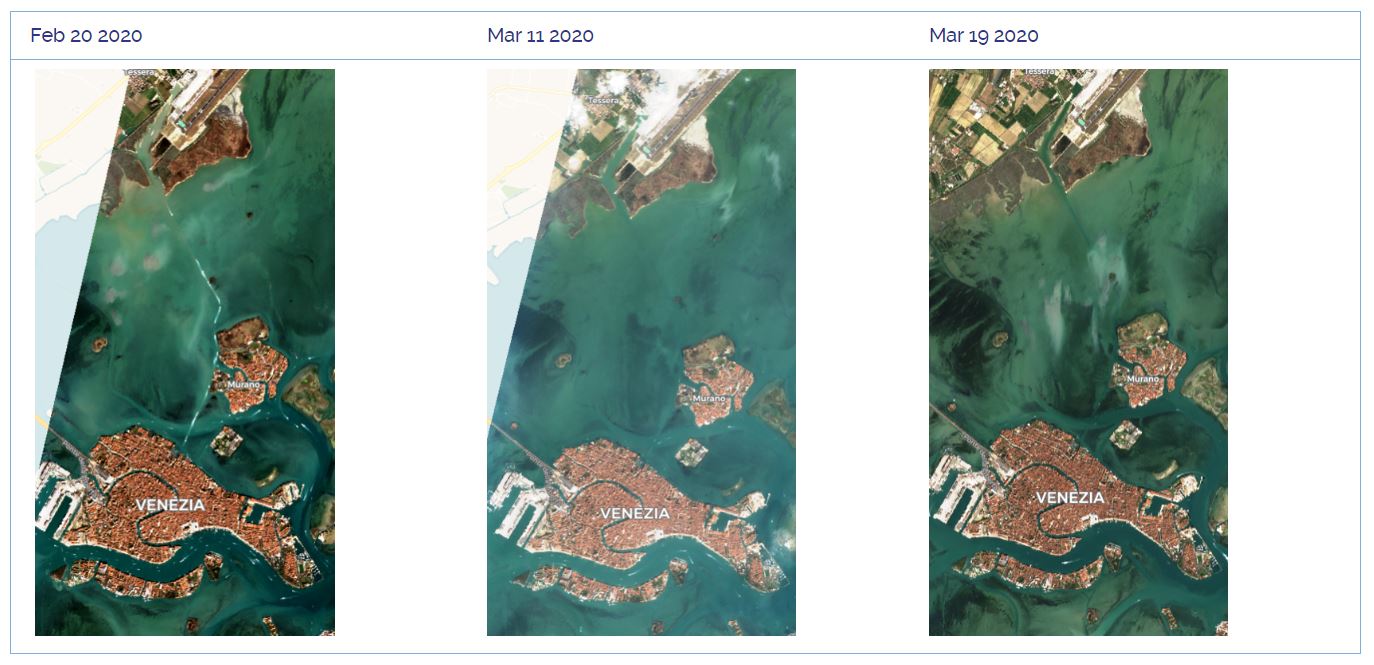
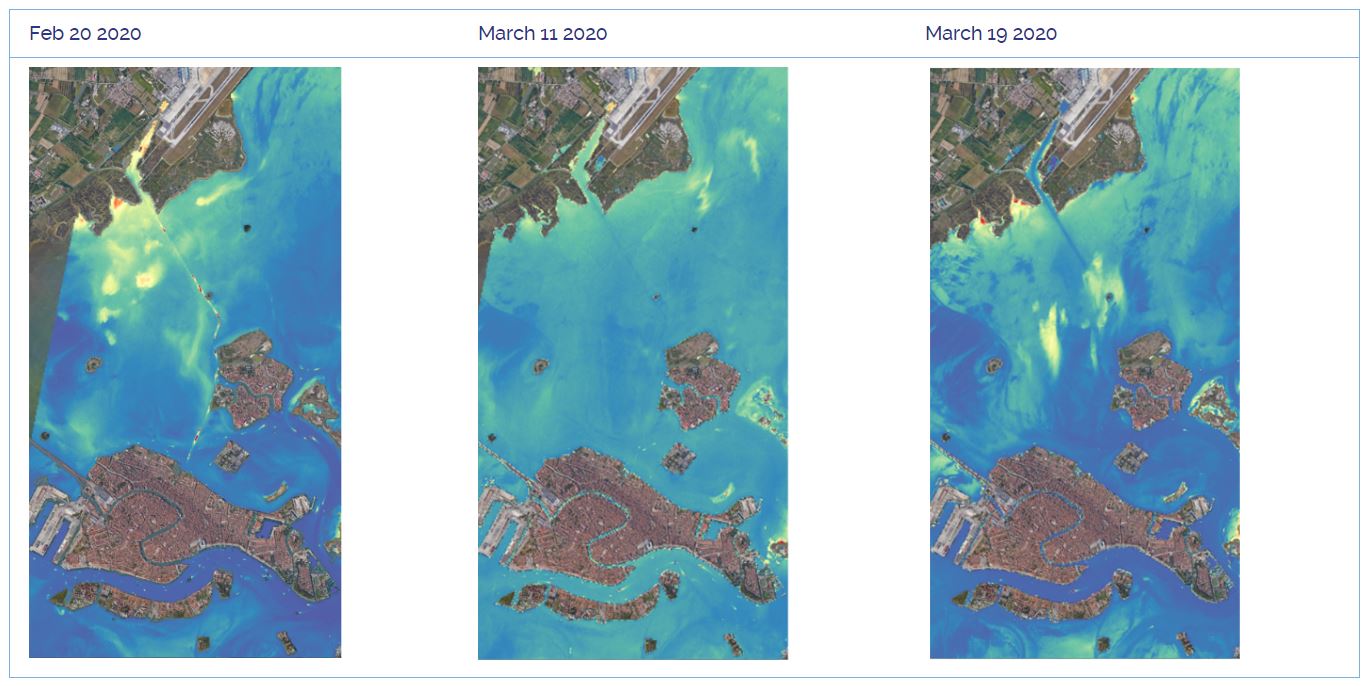
<p>We all have seen the videos of the clear waters in Venice. In fact, even fake images were circulating around with crocodiles taking over. But what we haven't seen yet is the difference from space.&nbsp;The Copernicus Sentinel-2 satellite is helping to monitor the evolution of the Venice lagoon water transparency, and CNR is bringing the images to us:</p>

<p>&nbsp;</p>

<p><img alt="" class="img-responsive" src="https://coastobs.eu/assets/content/venezia_water_color.JPG" /></p>

<p>On the first date (on Feb 20, Figure 2, left panel), one can notice the boat traffic around Venice, especially in Giudecca Channel, from Venice to Murano and towards the airport, and from Murano to Burano.</p>

<p>March 11 image (Figure 2, middle panel), when the lockdown was in place and boat traffic almost stopped, still shows a very high concentration of suspended sediments due to wind-driven resuspension following strong winds blowing on the lagoon. Wind-driven resuspension is an important process controlling the presence and concentration of suspended solids in the lagoon.</p>

<p>Water on the March 19 image (Figure2, right panel), when the lockdown was still in place and boat traffic almost stopped, and also with no more strong winds blowing on the lagoon, is then very clear with less suspended matter in the channels and surrounding areas, particularly from Venice to Murano and towards the airport, and from Murano to Burano.&nbsp;</p>

<p>&nbsp;</p>

<p><strong>TURBIDITY&nbsp;</strong></p>

<p>The image below&nbsp;shows the water turbidity in the Venice Lagoon on the same three dates. On March 19, water now looks clearer because there is less traffic on the canals. There are no more waves caused by motorized boats, cruise ships and gondolas, allowing the sediment to settle and stay trapped at the bottom. Turbid waters have now let the stage to transparent ones; in particular, it is possible to notice the lower turbidity values in the channel from Venice to Murano and the Airport and in the Airport Marina.</p>

<p>&nbsp;</p>

<p><img alt="" class="img-responsive" src="https://coastobs.eu/assets/content/venezia_water_color_turbidity.JPG" /></p>

<article id="post-105781">
<p>&nbsp;</p>

<p><mark><strong>The Copernicus Sentinel-2 true color images and turbidity derived products in the Venice lagoon allow monitoring the evolution of the water transparency before and after the stop of boat traffic due to the COVID19 pandemic. Globally, waters are more transparent after COVID19 confinement than before. Nevertheless, even when boat traffic is down, waters can stay turbid when strong winds are blowing in the lagoon, as wind-driven resuspension is an important process controlling the presence and concentration of suspended solids in the lagoon.</strong></mark></p>
</article>

<footer>&nbsp;</footer>

<p>&nbsp;</p>

<h4>Read the original and full article at <a href="https://marine.copernicus.eu/venicewatertransparency/" target="_blank">Copernicus Marine Service </a>site.&nbsp;</h4>

<p>&nbsp;</p>
]]></content>
      <uri>/news/32/covid19-reveals-human-impact-on-environment-example-of-venice-water-transparency-seen-by-copernicus</uri>
      <newsContent>
        <newsContent>
          <newsId>32</newsId>
          <alpha3>eng</alpha3>
          <subject>COVID19 reveals human impact on environment: Example of Venice Water Transparency seen by Copernicus</subject>
          <slug/>
          <lead><![CDATA[Our partner CNR Italy,&nbsp;leading also the Copernicus Marine Service data provider from Ocean Color Thematic Assembly Center (<a href="https://marine.copernicus.eu/about-us/about-producers/oc-tac/" rel="noopener noreferrer" target="_blank">OC TAC</a>), have analyzed in detail the water transparency in recent Sentinel-2 images for the Venice Lagoon. Click to read more!]]></lead>
          <content><![CDATA[<p class="text-right"><em>Photo by <a href="https://unsplash.com/photos/fYa0oSe8l8U" target="_blank">Faruk Kaymak</a></em>.</p>

<p>&nbsp;</p>

<p>We all have seen the videos of the clear waters in Venice. In fact, even fake images were circulating around with crocodiles taking over. But what we haven't seen yet is the difference from space.&nbsp;The Copernicus Sentinel-2 satellite is helping to monitor the evolution of the Venice lagoon water transparency, and CNR is bringing the images to us:</p>

<p>&nbsp;</p>

<p><img alt="" class="img-responsive" src="https://coastobs.eu/assets/content/venezia_water_color.JPG" /></p>

<p>On the first date (on Feb 20, Figure 2, left panel), one can notice the boat traffic around Venice, especially in Giudecca Channel, from Venice to Murano and towards the airport, and from Murano to Burano.</p>

<p>March 11 image (Figure 2, middle panel), when the lockdown was in place and boat traffic almost stopped, still shows a very high concentration of suspended sediments due to wind-driven resuspension following strong winds blowing on the lagoon. Wind-driven resuspension is an important process controlling the presence and concentration of suspended solids in the lagoon.</p>

<p>Water on the March 19 image (Figure2, right panel), when the lockdown was still in place and boat traffic almost stopped, and also with no more strong winds blowing on the lagoon, is then very clear with less suspended matter in the channels and surrounding areas, particularly from Venice to Murano and towards the airport, and from Murano to Burano.&nbsp;</p>

<p>&nbsp;</p>

<p><strong>TURBIDITY&nbsp;</strong></p>

<p>The image below&nbsp;shows the water turbidity in the Venice Lagoon on the same three dates. On March 19, water now looks clearer because there is less traffic on the canals. There are no more waves caused by motorized boats, cruise ships and gondolas, allowing the sediment to settle and stay trapped at the bottom. Turbid waters have now let the stage to transparent ones; in particular, it is possible to notice the lower turbidity values in the channel from Venice to Murano and the Airport and in the Airport Marina.</p>

<p>&nbsp;</p>

<p><img alt="" class="img-responsive" src="https://coastobs.eu/assets/content/venezia_water_color_turbidity.JPG" /></p>

<article id="post-105781">
<p>&nbsp;</p>

<p><mark><strong>The Copernicus Sentinel-2 true color images and turbidity derived products in the Venice lagoon allow monitoring the evolution of the water transparency before and after the stop of boat traffic due to the COVID19 pandemic. Globally, waters are more transparent after COVID19 confinement than before. Nevertheless, even when boat traffic is down, waters can stay turbid when strong winds are blowing in the lagoon, as wind-driven resuspension is an important process controlling the presence and concentration of suspended solids in the lagoon.</strong></mark></p>
</article>

<footer>&nbsp;</footer>

<p>&nbsp;</p>

<h4>Read the original and full article at <a href="https://marine.copernicus.eu/venicewatertransparency/" target="_blank">Copernicus Marine Service </a>site.&nbsp;</h4>

<p>&nbsp;</p>
]]></content>
          <updated>
            <date>2020-05-14 20:17:07.000000</date>
            <timezone_type>3</timezone_type>
            <timezone>UTC</timezone>
          </updated>
        </newsContent>
        <newsContent>
          <newsId>32</newsId>
          <alpha3>hun</alpha3>
          <subject/>
          <slug/>
          <lead/>
          <content/>
          <updated>
            <date>2020-05-14 20:17:07.000000</date>
            <timezone_type>3</timezone_type>
            <timezone>UTC</timezone>
          </updated>
        </newsContent>
      </newsContent>
    </news>
    <news>
      <newsId>31</newsId>
      <date>
        <date>2020-05-11 21:14:08.000000</date>
        <timezone_type>3</timezone_type>
        <timezone>UTC</timezone>
      </date>
      <publishingDate/>
      <expirationDate/>
      <thumbnail>Loire_27_March_2020_Sentinel-2.JPG</thumbnail>
      <status>published</status>
      <uuid>6ee24a92-616b-45db-ad0c-f19e3af5b595</uuid>
      <updated>
        <date>2020-05-11 21:14:08.000000</date>
        <timezone_type>3</timezone_type>
        <timezone>UTC</timezone>
      </updated>
      <alpha3>eng</alpha3>
      <subject>CoastObs platform preview!!</subject>
      <slug/>
      <lead>Continuously improving the theory and practice of remote sensing based water quality monitoring and management.</lead>
      <content><![CDATA[<p>&nbsp;</p>

<p>CoastObs is focusing on&nbsp;developing <a href="https://coastobs.eu/products-and-services" target="_blank">products and services </a>that are tailored to the users’ needs, or products that fit within the scope of the EU Water Framework Directive.</p>

<p>These monitoring and forecast products help public authorities in Europe to improve European waters or help shellfish farmers to monitor the (harmful) algae blooms around their farms, or help bathing water owners to manage the water quality in their area. Examples of products are:</p>

<ul>
	<li>Suspended matter</li>
	<li>Seagrass coverage or biomass</li>
	<li>Chlorofyll-a / phytoplankton concentration</li>
	<li>Phycocyanin (cyanobacteria pigment)</li>
	<li>Secchi disk depth</li>
	<li>Turbidity</li>
	<li>Harmful algal bloom</li>
	<li>Primary production</li>
	<li>Water surface temperature</li>
</ul>

<p>&nbsp;</p>

<p>CoastObs&nbsp;developed algorithms that derive temporal water quality parameters from Sentinel 2 and 3 imagery. These parameters are validated using real-time spectrometer measurements. The products like the maps shown in these article will be obtained through the <a href="https://coastobs.lizard.net/" target="_blank">CoastObs portal</a>.</p>

<p>&nbsp;</p>

<p><img alt="" class="img-responsive" src="https://coastobs.eu/assets/content/Loire_12_March_2020_Sentinel-2.JPG" /></p>

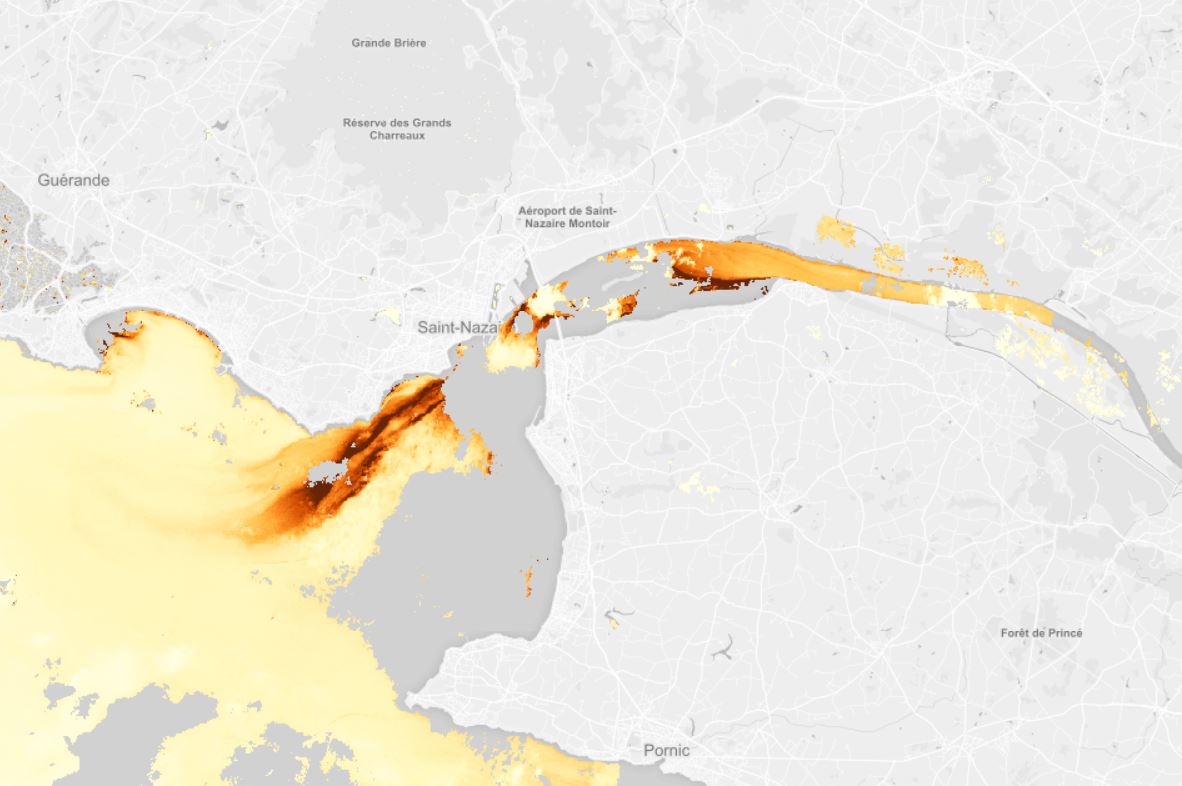
<p>In this image, it is possible to see the plume from the Loire river in France. If compared the top image with this one, it is possible to see the changes in the suspended matter carried bu the river.&nbsp;</p>
]]></content>
      <uri>/news/31/coastobs-platform-preview</uri>
      <newsContent>
        <newsContent>
          <newsId>31</newsId>
          <alpha3>eng</alpha3>
          <subject>CoastObs platform preview!!</subject>
          <slug/>
          <lead>Continuously improving the theory and practice of remote sensing based water quality monitoring and management.</lead>
          <content><![CDATA[<p>&nbsp;</p>

<p>CoastObs is focusing on&nbsp;developing <a href="https://coastobs.eu/products-and-services" target="_blank">products and services </a>that are tailored to the users’ needs, or products that fit within the scope of the EU Water Framework Directive.</p>

<p>These monitoring and forecast products help public authorities in Europe to improve European waters or help shellfish farmers to monitor the (harmful) algae blooms around their farms, or help bathing water owners to manage the water quality in their area. Examples of products are:</p>

<ul>
	<li>Suspended matter</li>
	<li>Seagrass coverage or biomass</li>
	<li>Chlorofyll-a / phytoplankton concentration</li>
	<li>Phycocyanin (cyanobacteria pigment)</li>
	<li>Secchi disk depth</li>
	<li>Turbidity</li>
	<li>Harmful algal bloom</li>
	<li>Primary production</li>
	<li>Water surface temperature</li>
</ul>

<p>&nbsp;</p>

<p>CoastObs&nbsp;developed algorithms that derive temporal water quality parameters from Sentinel 2 and 3 imagery. These parameters are validated using real-time spectrometer measurements. The products like the maps shown in these article will be obtained through the <a href="https://coastobs.lizard.net/" target="_blank">CoastObs portal</a>.</p>

<p>&nbsp;</p>

<p><img alt="" class="img-responsive" src="https://coastobs.eu/assets/content/Loire_12_March_2020_Sentinel-2.JPG" /></p>

<p>In this image, it is possible to see the plume from the Loire river in France. If compared the top image with this one, it is possible to see the changes in the suspended matter carried bu the river.&nbsp;</p>
]]></content>
          <updated>
            <date>2020-05-11 21:14:08.000000</date>
            <timezone_type>3</timezone_type>
            <timezone>UTC</timezone>
          </updated>
        </newsContent>
        <newsContent>
          <newsId>31</newsId>
          <alpha3>hun</alpha3>
          <subject/>
          <slug/>
          <lead/>
          <content/>
          <updated>
            <date>2020-05-11 21:14:08.000000</date>
            <timezone_type>3</timezone_type>
            <timezone>UTC</timezone>
          </updated>
        </newsContent>
      </newsContent>
    </news>
    <news>
      <newsId>30</newsId>
      <date>
        <date>2020-05-07 18:31:12.000000</date>
        <timezone_type>3</timezone_type>
        <timezone>UTC</timezone>
      </date>
      <publishingDate>
        <date>2020-05-07 00:00:00.000000</date>
        <timezone_type>3</timezone_type>
        <timezone>UTC</timezone>
      </publishingDate>
      <expirationDate/>
      <thumbnail>wk18_19.gif</thumbnail>
      <status>published</status>
      <uuid>1af5c4bf-bd67-4a69-add6-31f633a35d37</uuid>
      <updated>
        <date>2020-05-07 18:31:12.000000</date>
        <timezone_type>3</timezone_type>
        <timezone>UTC</timezone>
      </updated>
      <alpha3>eng</alpha3>
      <subject>Weekly phytoplankton bloom info!</subject>
      <slug/>
      <lead><![CDATA[<p>&nbsp;</p>

<p>Our partners&nbsp;<a data-focusable="true" dir="ltr" href="https://twitter.com/HZeeland" role="link" target="_blank">@HZeeland</a>&nbsp;and&nbsp;<a data-focusable="true" dir="ltr" href="https://twitter.com/Water_Insight" role="link" target="_blank">@Water_Insight&nbsp;</a>have set a weekly&nbsp;phytoplankton bloom report that will provide info on phytoplankton conditions to shellfish farmers in the Netherlands.&nbsp;&nbsp;</p>
]]></lead>
      <content><![CDATA[<p>Water insight&nbsp;(for the EO data) and Hogeschool Zeeland (for the algal expertise) are offering this phytoplankton report under the H2020 project CoastObs by providing chlorophyll maps, derived from Sentinel 3 (300m resolution).</p>

<p>&nbsp;</p>

<p><strong>April 9th-19th, 2020.&nbsp;</strong></p>

<p>In the images from mid-April that were accompanied by some sampling, it was noted that&nbsp;the algae appearing were <em>Phaeocystis</em>, a&nbsp;widespread marine phytoplankton that can function at a wide range of temperatures (eurythermal) and salinities (euryhaline).&nbsp;</p>

<p><em>Phaeocystis </em>appearing in high concentrations can be harmful to shellfish. When the bloom dies off it is followed by sedimentation and anoxia, potentially leading to the suffocation of shellfish on bottom plots.</p>

<p><br />
<img alt="" class="img-responsive" src="https://coastobs.eu/assets/content/wk16.gif" /></p>

<p>In the images it is possible to see that a bloom was coming, which included indeed Phaeocystis (but also a lot of diatoms) which sometimes also entered the Oosterschede area with the shellfish fields. Now the bloom seems to be declining.</p>

<p>&nbsp;</p>

<p><img alt="" class="img-responsive" src="https://coastobs.eu/assets/content/Ham_fyto_1_16april.JPG" /></p>

<p>&nbsp;</p>

<p><strong>March 21st-April 8th</strong></p>

<p>In the GIF below which covers the period March 21st-April 8th, due to the sunny weather, a large algal bloom developed in the Voordelta as can be seen in the movie. Green depicts high concentrations, blue low concentrations. Sometimes we can see high concentrations entering the Oosterscheldt estuary in the direction of the shellfish plots (the rectangles&nbsp;in the GIF). The majority of the algae are diatoms at the moment, perfect food for all shellfish.</p>

<p>&nbsp;</p>

<p><img alt="" class="img-responsive" src="https://coastobs.eu/assets/content/VoordeltaBloeiWk15.gif" /><img alt="" class="img-responsive" src="https://coastobs.eu/assets/content/AlgenOS_8april.JPG" /></p>

<p><strong>This information about possible HABs in the Voordelta and&nbsp;the Oosterscheldt&nbsp;in a short overview will be offered weekly until the beginning of summer by the CoastObs project.</strong></p>

<p>&nbsp;</p>

<p>Please let&nbsp;us know if you like this!</p>
]]></content>
      <uri>/news/30/weekly-phytoplankton-bloom-info</uri>
      <newsContent>
        <newsContent>
          <newsId>30</newsId>
          <alpha3>eng</alpha3>
          <subject>Weekly phytoplankton bloom info!</subject>
          <slug/>
          <lead><![CDATA[<p>&nbsp;</p>

<p>Our partners&nbsp;<a data-focusable="true" dir="ltr" href="https://twitter.com/HZeeland" role="link" target="_blank">@HZeeland</a>&nbsp;and&nbsp;<a data-focusable="true" dir="ltr" href="https://twitter.com/Water_Insight" role="link" target="_blank">@Water_Insight&nbsp;</a>have set a weekly&nbsp;phytoplankton bloom report that will provide info on phytoplankton conditions to shellfish farmers in the Netherlands.&nbsp;&nbsp;</p>
]]></lead>
          <content><![CDATA[<p>Water insight&nbsp;(for the EO data) and Hogeschool Zeeland (for the algal expertise) are offering this phytoplankton report under the H2020 project CoastObs by providing chlorophyll maps, derived from Sentinel 3 (300m resolution).</p>

<p>&nbsp;</p>

<p><strong>April 9th-19th, 2020.&nbsp;</strong></p>

<p>In the images from mid-April that were accompanied by some sampling, it was noted that&nbsp;the algae appearing were <em>Phaeocystis</em>, a&nbsp;widespread marine phytoplankton that can function at a wide range of temperatures (eurythermal) and salinities (euryhaline).&nbsp;</p>

<p><em>Phaeocystis </em>appearing in high concentrations can be harmful to shellfish. When the bloom dies off it is followed by sedimentation and anoxia, potentially leading to the suffocation of shellfish on bottom plots.</p>

<p><br />
<img alt="" class="img-responsive" src="https://coastobs.eu/assets/content/wk16.gif" /></p>

<p>In the images it is possible to see that a bloom was coming, which included indeed Phaeocystis (but also a lot of diatoms) which sometimes also entered the Oosterschede area with the shellfish fields. Now the bloom seems to be declining.</p>

<p>&nbsp;</p>

<p><img alt="" class="img-responsive" src="https://coastobs.eu/assets/content/Ham_fyto_1_16april.JPG" /></p>

<p>&nbsp;</p>

<p><strong>March 21st-April 8th</strong></p>

<p>In the GIF below which covers the period March 21st-April 8th, due to the sunny weather, a large algal bloom developed in the Voordelta as can be seen in the movie. Green depicts high concentrations, blue low concentrations. Sometimes we can see high concentrations entering the Oosterscheldt estuary in the direction of the shellfish plots (the rectangles&nbsp;in the GIF). The majority of the algae are diatoms at the moment, perfect food for all shellfish.</p>

<p>&nbsp;</p>

<p><img alt="" class="img-responsive" src="https://coastobs.eu/assets/content/VoordeltaBloeiWk15.gif" /><img alt="" class="img-responsive" src="https://coastobs.eu/assets/content/AlgenOS_8april.JPG" /></p>

<p><strong>This information about possible HABs in the Voordelta and&nbsp;the Oosterscheldt&nbsp;in a short overview will be offered weekly until the beginning of summer by the CoastObs project.</strong></p>

<p>&nbsp;</p>

<p>Please let&nbsp;us know if you like this!</p>
]]></content>
          <updated>
            <date>2020-05-07 18:31:12.000000</date>
            <timezone_type>3</timezone_type>
            <timezone>UTC</timezone>
          </updated>
        </newsContent>
        <newsContent>
          <newsId>30</newsId>
          <alpha3>hun</alpha3>
          <subject/>
          <slug/>
          <lead/>
          <content/>
          <updated>
            <date>2020-05-07 18:31:12.000000</date>
            <timezone_type>3</timezone_type>
            <timezone>UTC</timezone>
          </updated>
        </newsContent>
      </newsContent>
    </news>
    <news>
      <newsId>26</newsId>
      <date>
        <date>2020-05-06 18:52:46.000000</date>
        <timezone_type>3</timezone_type>
        <timezone>UTC</timezone>
      </date>
      <publishingDate/>
      <expirationDate/>
      <thumbnail>cmems_data.png</thumbnail>
      <status>published</status>
      <uuid>dc3659fc-dd89-4b77-bd6e-003367ed8566</uuid>
      <updated>
        <date>2020-05-06 18:52:46.000000</date>
        <timezone_type>3</timezone_type>
        <timezone>UTC</timezone>
      </updated>
      <alpha3>eng</alpha3>
      <subject>CMEMS for H2020 campaign </subject>
      <slug/>
      <lead><![CDATA[The&nbsp;<strong><a href="https://twitter.com/hashtag/CMEMSforH2020?src=hashtag_click" target="_blank">#CMEMSforH2020</a> </strong>campaign has the&nbsp;objective to foster the use of Copernicus Marine Data among project holders in the Horizon 2020 EU program and all marine related EU projects.&nbsp;]]></lead>
      <content><![CDATA[<p>&nbsp;</p>

<p>The campaign has three objectives:</p>

<ul>
	<li>Highlight projects with important societal and environmental impacts</li>
	<li>Foster the use of Copernicus Marine Data among project holders in the Horizon 2020 EU program.&nbsp;</li>
	<li>Show the usefulness of Copernicus Marine Data.</li>
</ul>

<p>&nbsp;</p>

<p><img alt="" class="img-responsive" src="https://coastobs.eu/assets/content/CMEMS_data2.JPG" /></p>

<p>&nbsp;</p>

<p>&nbsp;</p>

<p>So if you are carrying out your research on <a data-focusable="true" dir="ltr" href="https://twitter.com/hashtag/BlueEconomy?src=hashtag_click" role="link" target="_blank">#BlueEconomy</a> sustainable development,&nbsp; you can now use the new&nbsp;<a data-focusable="true" dir="ltr" href="https://twitter.com/CMEMS_EU" role="link" target="_blank">@CMEMS_EU</a>&nbsp;service to freely access Copernicus’ marine data from sea temperature to water quality!</p>

<p>&nbsp;</p>

<p>For more information check their website <a href="https://marine.copernicus.eu/h2020-projects/" target="_blank">here</a>.</p>

<p>&nbsp;</p>

<p>&nbsp;</p>
]]></content>
      <uri>/news/26/cmems-for-h2020-campaign</uri>
      <newsContent>
        <newsContent>
          <newsId>26</newsId>
          <alpha3>eng</alpha3>
          <subject>CMEMS for H2020 campaign </subject>
          <slug/>
          <lead><![CDATA[The&nbsp;<strong><a href="https://twitter.com/hashtag/CMEMSforH2020?src=hashtag_click" target="_blank">#CMEMSforH2020</a> </strong>campaign has the&nbsp;objective to foster the use of Copernicus Marine Data among project holders in the Horizon 2020 EU program and all marine related EU projects.&nbsp;]]></lead>
          <content><![CDATA[<p>&nbsp;</p>

<p>The campaign has three objectives:</p>

<ul>
	<li>Highlight projects with important societal and environmental impacts</li>
	<li>Foster the use of Copernicus Marine Data among project holders in the Horizon 2020 EU program.&nbsp;</li>
	<li>Show the usefulness of Copernicus Marine Data.</li>
</ul>

<p>&nbsp;</p>

<p><img alt="" class="img-responsive" src="https://coastobs.eu/assets/content/CMEMS_data2.JPG" /></p>

<p>&nbsp;</p>

<p>&nbsp;</p>

<p>So if you are carrying out your research on <a data-focusable="true" dir="ltr" href="https://twitter.com/hashtag/BlueEconomy?src=hashtag_click" role="link" target="_blank">#BlueEconomy</a> sustainable development,&nbsp; you can now use the new&nbsp;<a data-focusable="true" dir="ltr" href="https://twitter.com/CMEMS_EU" role="link" target="_blank">@CMEMS_EU</a>&nbsp;service to freely access Copernicus’ marine data from sea temperature to water quality!</p>

<p>&nbsp;</p>

<p>For more information check their website <a href="https://marine.copernicus.eu/h2020-projects/" target="_blank">here</a>.</p>

<p>&nbsp;</p>

<p>&nbsp;</p>
]]></content>
          <updated>
            <date>2020-05-06 18:52:46.000000</date>
            <timezone_type>3</timezone_type>
            <timezone>UTC</timezone>
          </updated>
        </newsContent>
        <newsContent>
          <newsId>26</newsId>
          <alpha3>hun</alpha3>
          <subject/>
          <slug/>
          <lead/>
          <content/>
          <updated>
            <date>2020-05-06 18:52:46.000000</date>
            <timezone_type>3</timezone_type>
            <timezone>UTC</timezone>
          </updated>
        </newsContent>
      </newsContent>
    </news>
  </items>
  <current>1</current>
  <pages>3</pages>
</news>